
05 / Advanced technologies
Advanced Technologies Implemented During High-Definition Liposuction
Understanding how we achieve high definition liposuction results begins with recognizing the advanced technologies that our surgeons utilize during surgery. High-definition liposuction demands more than fat removal alone. It demands precise tissue sculpting, careful management of skin laxity, and, when fat transfer is indicated, meticulous graft handling and placement.
A few of our advanced surgical technologies include VASER ultrasound-assisted liposuction, helium plasma-based radiofrequency tissue contraction device, a closed-loop fat harvesting and processing system, and ultrasound-guided fat injection. Each technology serves a distinct purpose, allowing our surgeons to customize their approach according to your anatomy, tissue characteristics, and aesthetic objectives.
VASER Ultrasound-Assisted Liposuction
VASER ultrasound-assisted liposuction enhances traditional fat removal by applying targeted ultrasound energy to adipose tissue before extraction. This technology allows surgeons to address both deep and selected superficial fat layers with greater precision, making it particularly valuable when the objective extends beyond volume reduction to include refined contours, natural shadows, and when indicated, even visible muscular highlights.
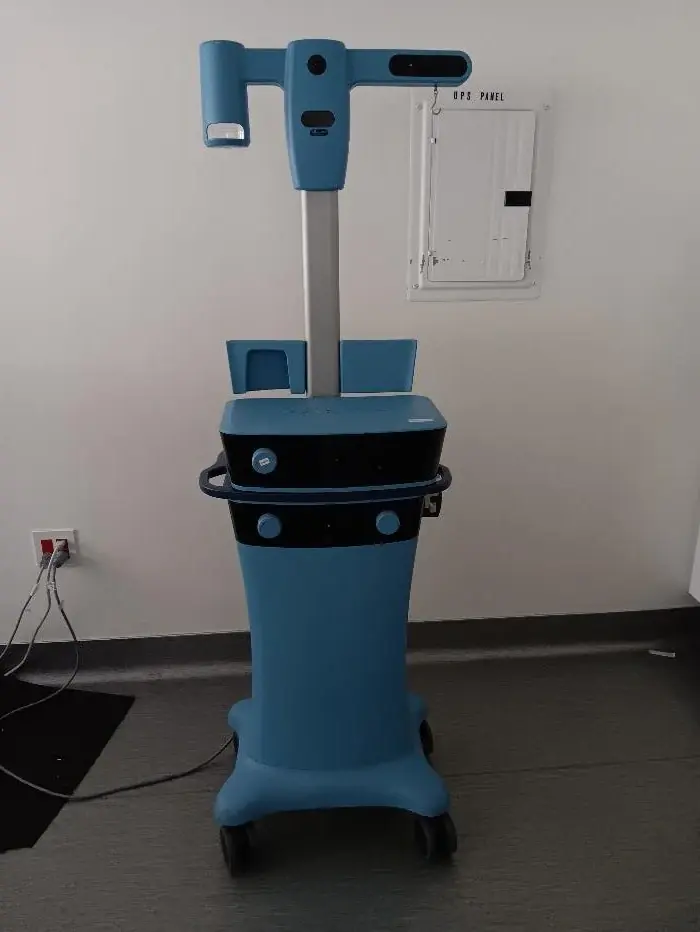
Advantages of VASER-assisted liposuction include:
- Comprehensive fat removal: Eliminates deep fat deposits while allowing selective removal of superficial fat layers when appropriate.
- Tissue selectivity: Helps emulsify adipose tissue while limiting disruption to surrounding structures, thereby minimizing bleeding, bruising, and subsequent discomfort.
- High-definition sculpting: Facilitates the controlled removal and preservation of fat needed to create natural transitions, shadows, and muscular definition.
- Fat grafting applications: Maximizes viability of aspirated fat suitable for grafting when appropriately collected and processed.
- Versatile body contouring: Supports individualized sculpting of the abdomen, flanks, back, arms, thighs, and other anatomical regions.
The ultrasound technology relies on a process called cavitation, in which ultrasound energy generates microscopic bubbles within the fluid-infiltrated fatty tissue. The formation of air bubbles allows for mechanical freeing of adipose tissue from neighboring fat cells and vital structures thereby facilitating fat extraction.
Cavitation makes fat removal more controlled than mechanical extraction alone in selected circumstances. It also allows surgeons to refine superficial fat compartments that are particularly important for high-definition sculpting. The goal is not simply to remove as much fat as possible, but to selectively remove and preserve tissue to create a balanced, anatomically appropriate contour.
VASER is extremely useful when fat transfer is planned, such as a Brazilian Butt Lift or hip-dip filling. This is because it maximizes graft quality and survivability during the harvesting process and injection phases.
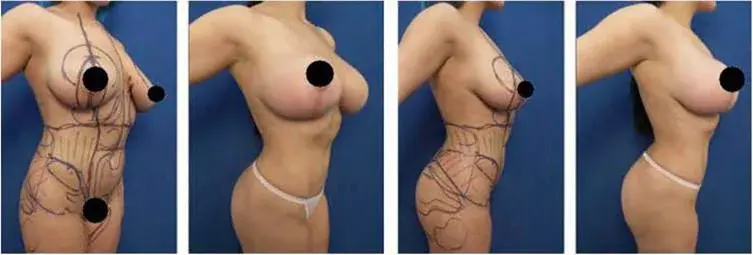
For patients seeking high-definition results, VASER is the most important tool in our surgical armamentarium. When combined with comprehensive anatomical assessment and meticulous surgical planning, ultrasound-assisted liposuction can help our surgeons move beyond conventional fat reduction toward more refined, three-dimensional body sculpting.
Helium Plasma-Based Radiofrequency Skin Tightening
One of the challenges in advanced liposuction is addressing the skin laxity that may be present preoperatively. This excess may be compounded especially after fat is successfully reduced. The reality is that the overlying skin will not self-contract sufficiently to maintain a smooth, firm contour following fat removal. Factors that must be considered when determining whether skin tightening are required include amount of fat to be removed, the quality and extent of skin redundancy preoperatively, and patient age. After the age of 45, the skin loses its recoil potential, and is less likely to accommodate fat volume reduction.
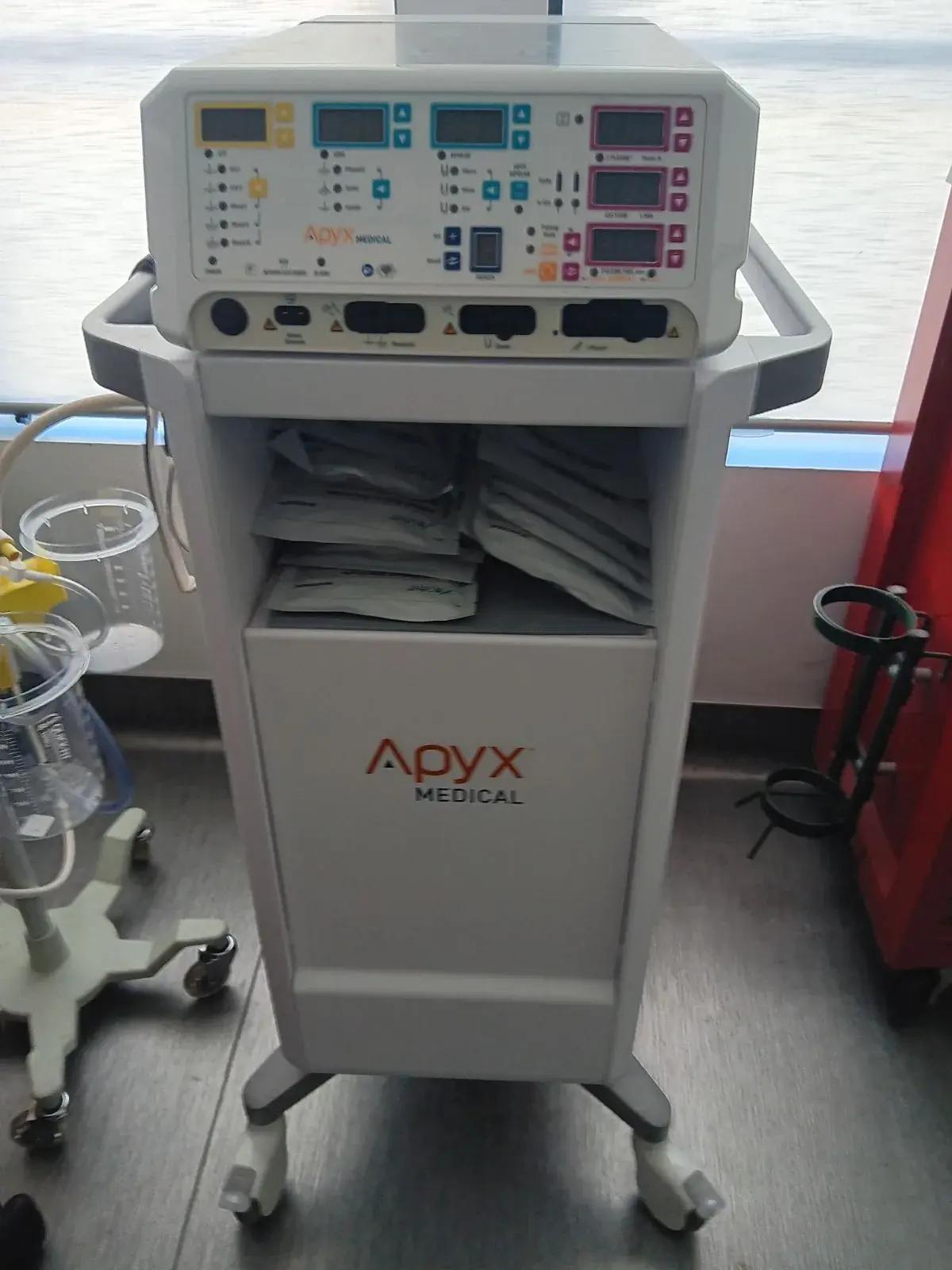
Helium plasma-based radiofrequency technology offers a minimally invasive option for improving soft-tissue contraction in appropriately selected patients who wish to avoid formal skin-excision surgery.
This technology combines radiofrequency energy with ionized helium to deliver controlled thermal energy beneath the skin. The resulting tissue-heating effects cause collagen fibers to contract and initiate a healing response that will contribute to collagen shrinking and subsequent remodeling.
The treatment targets the dermal undersurface and the fibroseptal network, the connective-tissue framework that links the skin to deeper tissues. By producing controlled subdermal thermal effects, the technology is designed to improve tissue firmness and skin contraction while limiting unnecessary injury to surrounding structures.
When performed in conjunction with ultrasound-assisted liposuction, helium plasma-based radiofrequency will enhance the overall contouring result by addressing minimal to moderate degrees of skin laxity.
Who May Benefit From Radiofrequency Skin Tightening?
This technology may be particularly useful for patients with mild to moderate skin laxity who desire substantial contour improvement but may not possess the degree of skin redundancy requiring excisional surgery.
For selected patients with an HDL Body Scale grade of 5 to 7, it provides a more effective option to allow for skin contraction following fat removal. Suitability, however, depends on the actual distribution of laxity, skin quality, tissue thickness, and other individual factors rather than a numerical score alone.
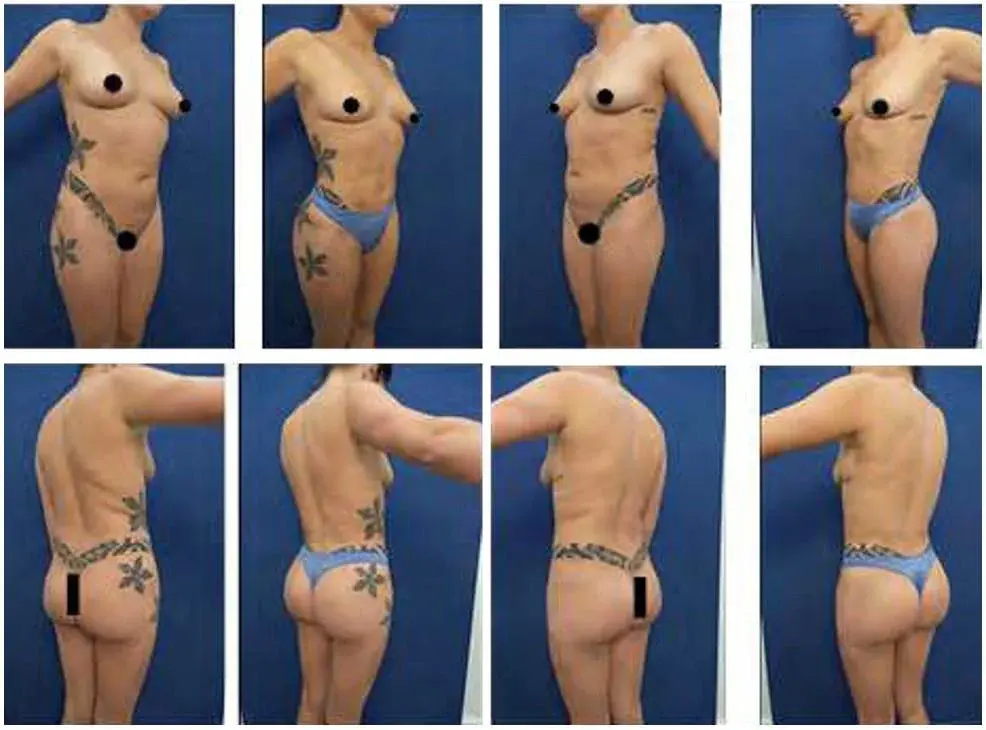
Helium plasma-based radiofrequency advantages include:
- A minimally invasive approach: Will induce skin contraction and tightening without requiring a separate skin excision, incision line.
- Treatment during the same operation: Can be performed immediately following liposuction in a single surgical setting.
- Use of existing access points: Treatment may be delivered through the access ports used during liposuction, avoiding additional incisions specifically for this energy device.
- Complementary contouring effects: Addresses skin and soft-tissue laxity that fat removal alone cannot correct.
 (opens in a new tab)
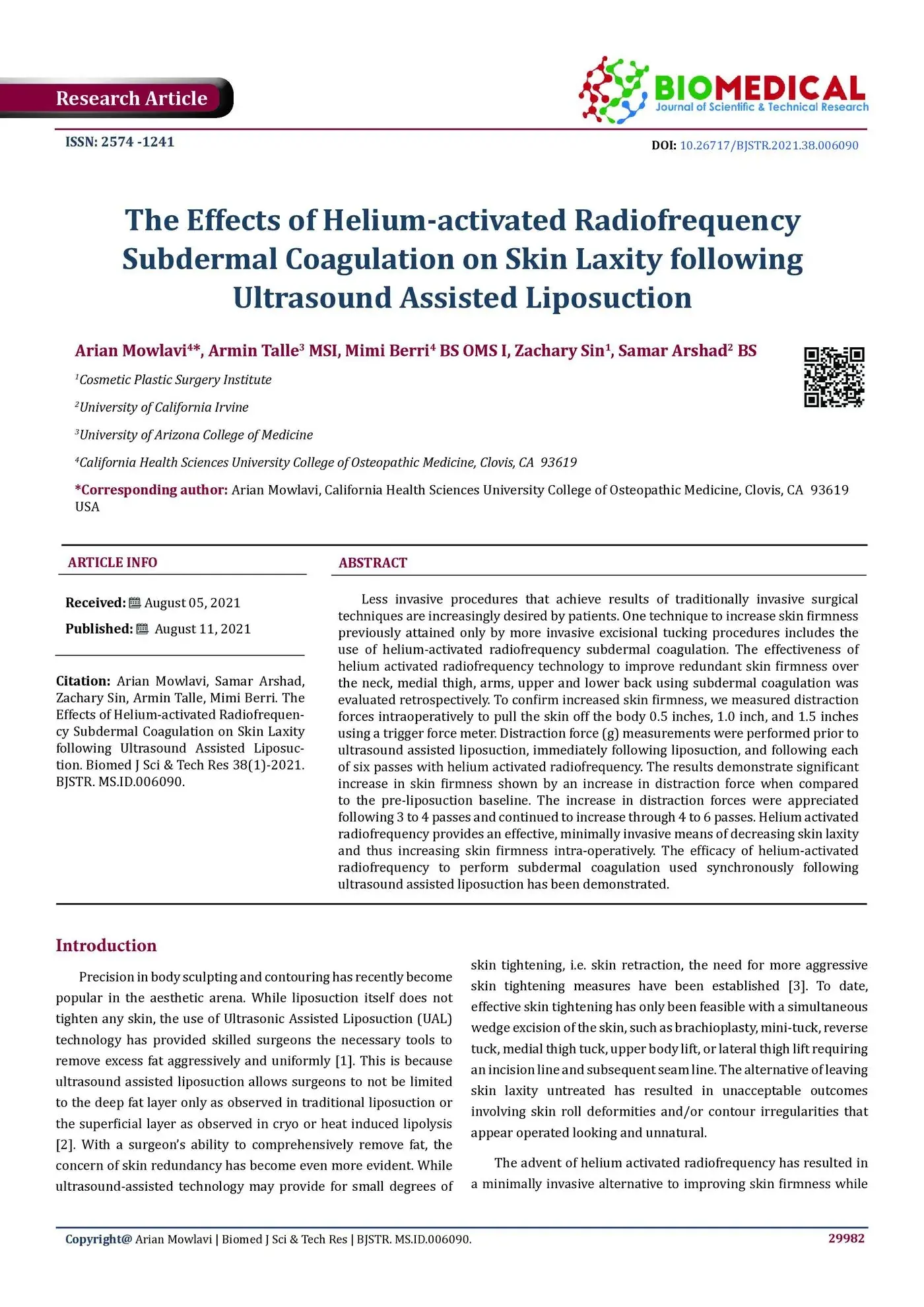
The Effects of Helium activated Radiofrequency Subdermal Coagulation on Skin Laxity following Ultrasound Assisted Liposuction was a landmark paper completed by our surgeons that objectively established skin contraction potential of this device.
It is important to recognize that radiofrequency-based contraction is not a substitute for skin removal for all patients. Specifically, moderate to severe skin redundancy, clinically presenting as hanging skin, or significant structural deficits of the skin, such as stretch marks, will require excisional procedures.
The objective is to match the needed technology to your anatomical demands. Our surgeons evaluate the degree of skin laxity and determine whether energy-based contraction, skin excision, or a combination of approaches is best suited to your treatment plan.
 (opens in a new tab)
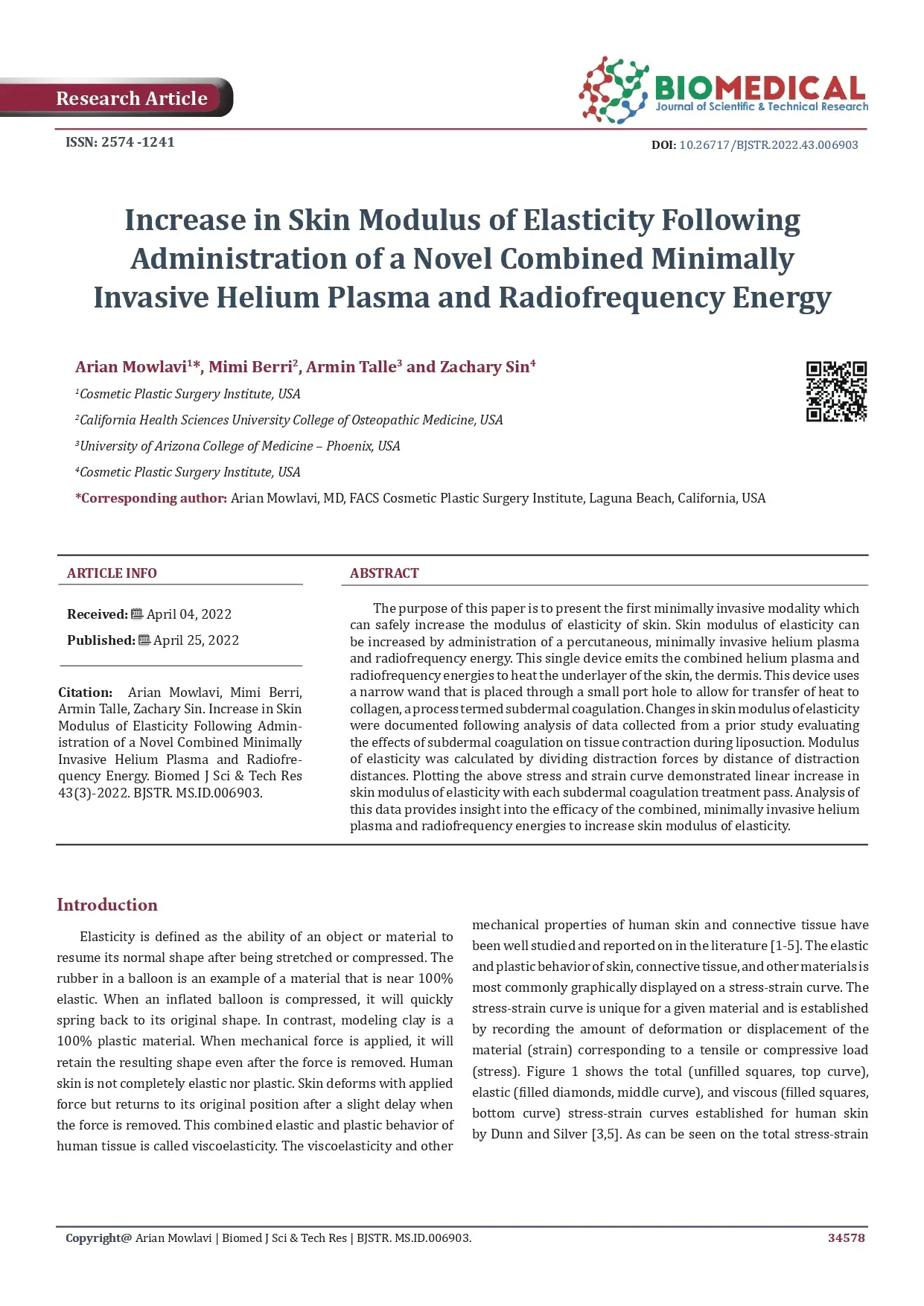
Increase in Skin Modulus of Elasticity following Administration of a Novel Combined Minimally invasive Helium Plasma and Radiofrequency Energy was a landmark paper that demonstrated that this energy was able to alter the elasticity of the skin as a biological material.
Closed-Loop Fat Grafting System
When fat transfer is incorporated into body contouring, the quality of the grafting process matters. Fat must be harvested, processed, and reinjected in a manner that minimizes unnecessary handling and supports the viability of the transferred tissue.
Traditional fat grafting workflows may involve collecting aspirated fat into an open processing cannister for washing and concentrating, and loading it into multiple syringes for manual injection. Depending on the technique, these additional handling steps can increase operative time, expose the graft to the external environment and damaging external pressures, and introduce variability in processing and delivery.
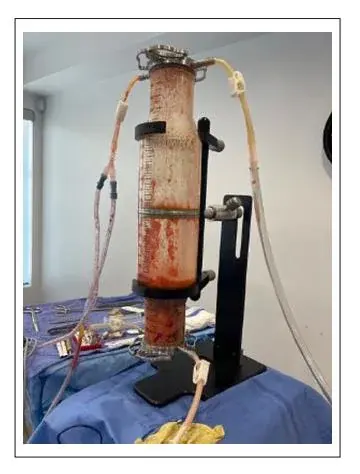
Our closed-loop fat grafting approach is designed to streamline these steps by maintaining the fat within a contained system during collection, processing, and preparation for reinjection.
How the Closed-Loop System Works
Rather than repeatedly transferring harvested fat between separate containers and open processing surfaces, the closed-loop system allows the fat to be processed within a dedicated canister. This integrated mechanism supports controlled processing and delivery, reducing the need for multiple manual transfers.
The potential advantages of the closed-loop system include:
- Reduced environmental exposure: A contained workflow can limit contact with external contaminants during processing.
- More controlled handling: A standardized system can help reduce variability associated with repeated manual transfers and syringe preparation.
- Improved procedural efficiency: Streamlining the processing workflow minimizes exposure of fat cells to the external environment required for preparation using conventional techniques.
- Reduced time outside the body: Efficient processing can shorten the interval during which harvested tissue is outside the body, termed “out of body” time.
- A more consistent workflow: Standardized processing supports reproducibility across different stages of the fat transfer procedure.
Minimizing unnecessary handling and delays is desirable because harvested adipose tissue is vulnerable to ischemic injury and other forms of cellular damage. Nevertheless, long-term graft retention depends on many factors, including the condition of the harvested fat, processing methods, injection technique, and recipient-site blood supply.
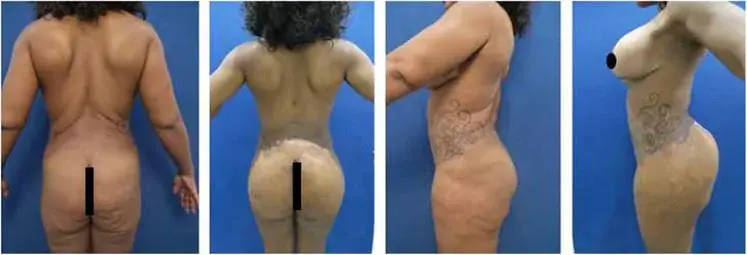
The closed-loop system is particularly relevant when fat transfer is performed to enhance buttock projection, improve hip-dip contours, or restore volume in other selected anatomical regions.
Our goal is to combine efficient fat processing with careful surgical technique to support predictable, natural-looking fat transfer results.
Ultrasound-Guided Fat Injection
Precision during fat injection is essential to both aesthetic outcomes and patient safety. This is especially important during Brazilian Butt Lift surgery, where the anatomical location of the injected fat has critical safety implications.
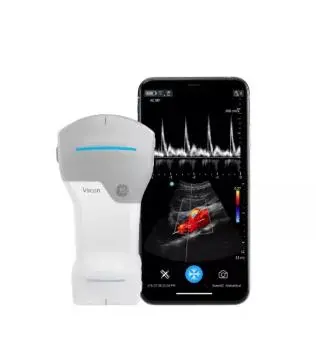
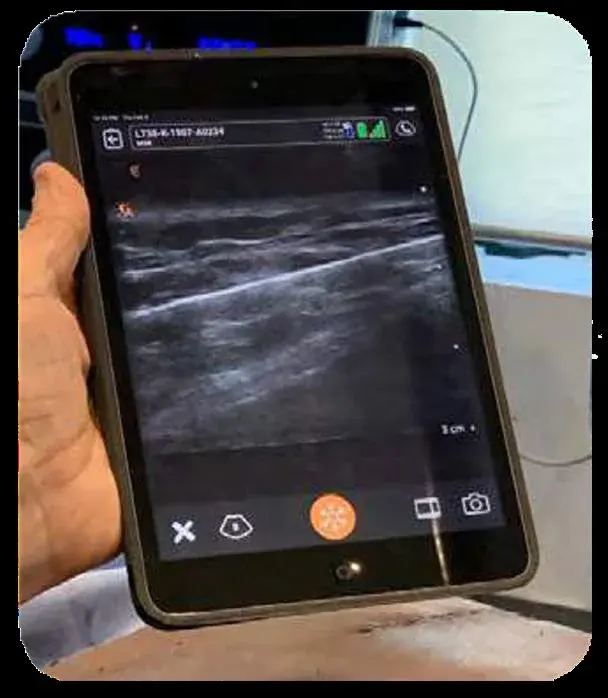
We use portable ultrasound imaging to visualize relevant tissue planes during fat injection. Rather than relying exclusively on external anatomical landmarks or tactile feedback, the surgeon can observe the location of the injection cannula in relation to the surrounding tissues and monitor the placement of fat in real time.
Why Ultrasound Guidance Matters
The buttock contains multiple tissue layers, including subcutaneous fat and the deeper gluteal musculature. Injecting fat into the wrong anatomical plane can result in severe complications.
One of the most serious risks of gluteal fat grafting is fat embolism, which can occur when injected fat enters the venous circulation and travels to the lungs. In particular, injection into or beneath the gluteal muscle has been recognized as a route for causing this potentially catastrophic event because of the associated vascular anatomy.
Ultrasound guidance helps the surgeon visualize the cannula and confirm that fat is being deposited within the intended subcutaneous tissue plane only. As such, ultrasound guidance provides an additional and critical layer of precaution that helps reduce the risk of inadvertent deep injection.
Potential benefits include:
- Real-time visualization: Allows the surgeon to observe the cannula's position relative to the surrounding anatomy.
- Confirmation of injection depth: Helps verify that fat is being placed in the intended tissue plane.
- Improved anatomical precision: Supports controlled placement of fat to address specific areas of volume deficiency.
- Safety-focused technique: Helps minimize the risk of unintended intramuscular or deeper injection when used correctly by a trained surgeon.
Our approach combines advanced technology, anatomical precision, and individualized surgical planning to pursue refined buttock contouring results while ensuring patient safety.
 (opens in a new tab)
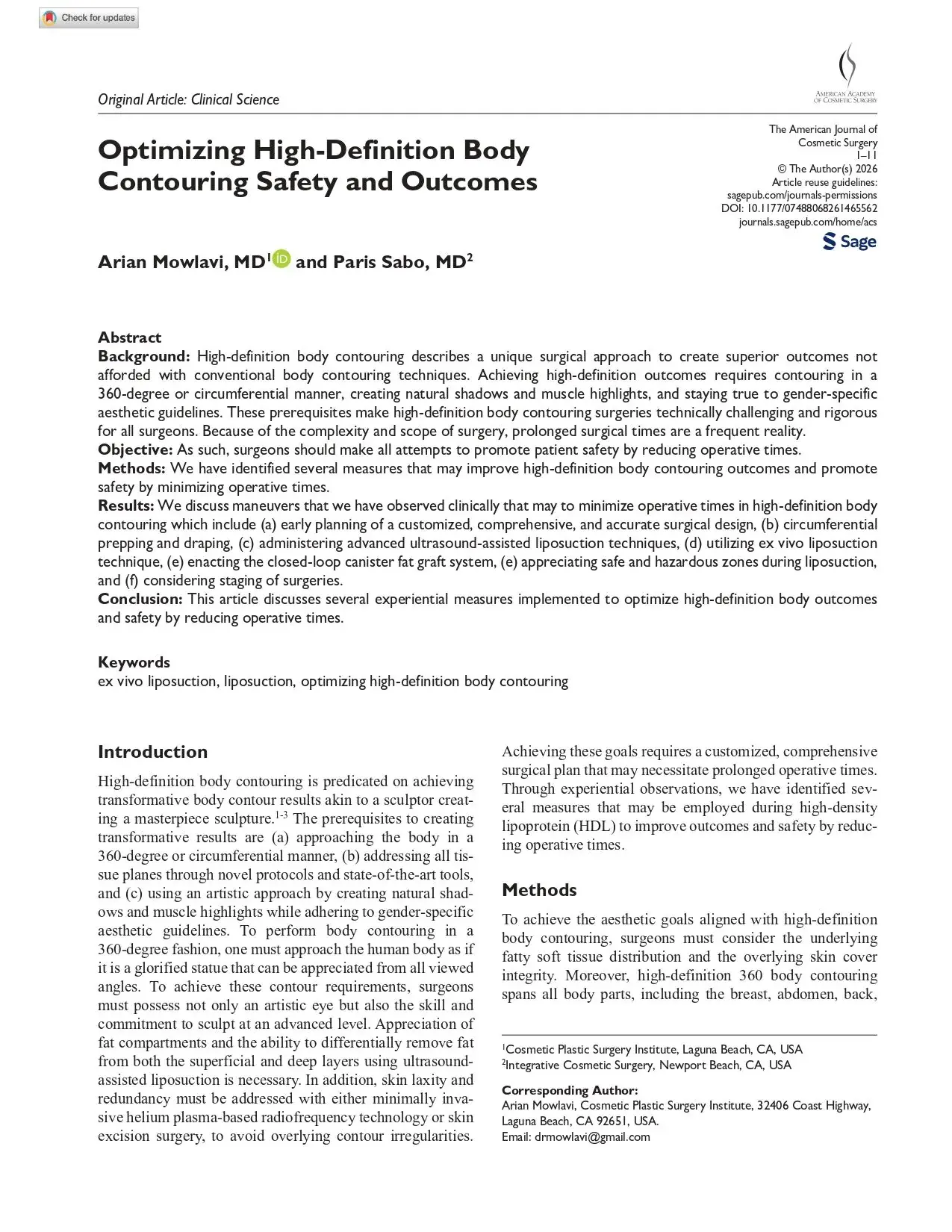
Optimizing High-Definition Body Contouring Safety and Outcomes was published in 2026 as an overview of how our High Definition Liposuction Centers implement safety precautions and optimize aesthetic outcomes.