High-definition liposuction represents the evolution of traditional liposuction. While conventional liposuction is primarily focused on the bulk reduction of unwanted fat, high-definition liposuction takes a more anatomical, 360-degree, artistic approach.
Rather than the bulk removal of excess fat, high-definition liposuction considers the relationship between fat distribution and the underlying anatomy, the quality of the overlying skin, body proportions, and the creation of natural shadows and muscular highlights. Fat is not blindly removed. It is often strategically preserved, so the transitions are more refined and the body contours are enhanced.
The goal is not simply to make a single undesirable area a little smaller. It is to sculpt the body with greater precision. With appropriate patient selection and advanced surgical techniques, high-definition liposuction can eliminate unwanted fat and also accentuate naturally occurring shadows and unveil muscular definition. This is accomplished by the controlled removal of the deep, bulkier fat and by the selective removal of the superficial fat. The final result is a proportioned body that is more athletic and more refined in appearance than localized fat reduction alone.
Traditional
Traditional liposuction limits the removal of unwanted fat to the deep compartment only. This limitation results in only modest gains in aesthetic outcomes.
High definition
High-definition liposuction treats fat removal as a tool for three-dimensional body sculpting by selectively removing both deep and superficial fat, and sometimes by replacing some of that fat back to your body.
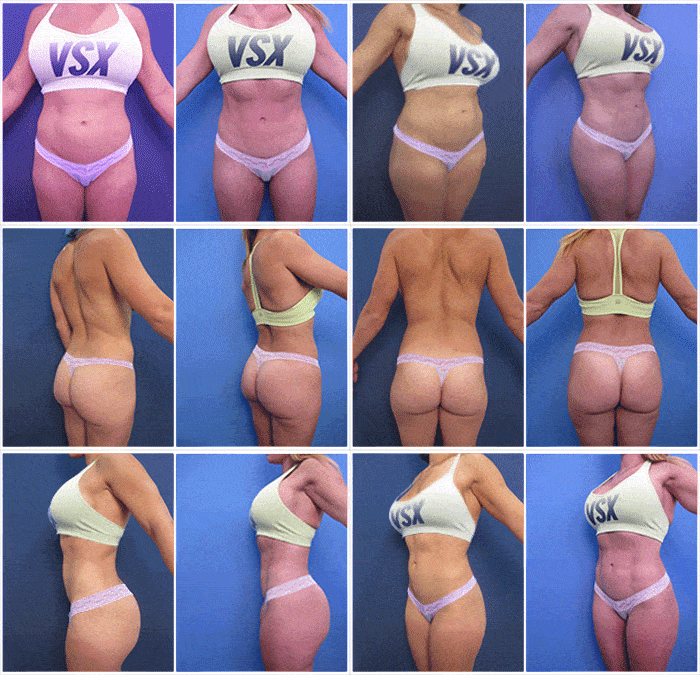
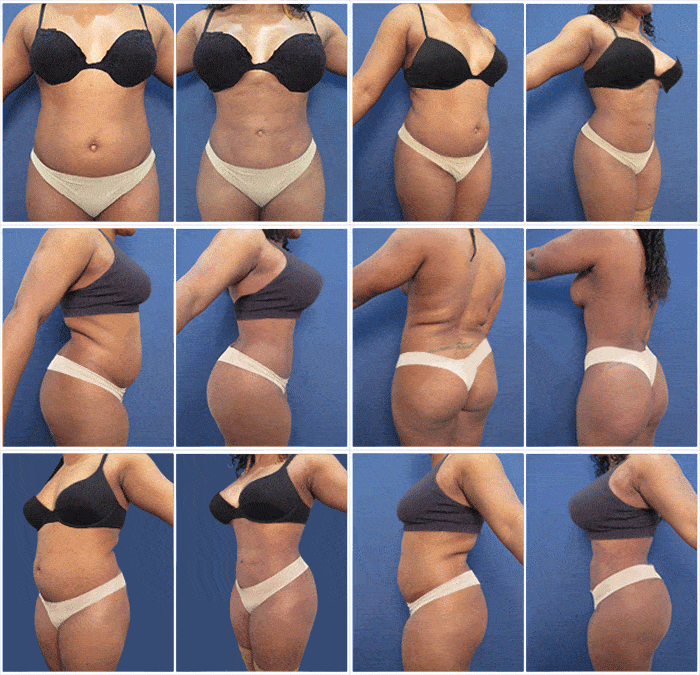
High-definition liposuction waistline narrowing, with the greatest reduction at the waist.
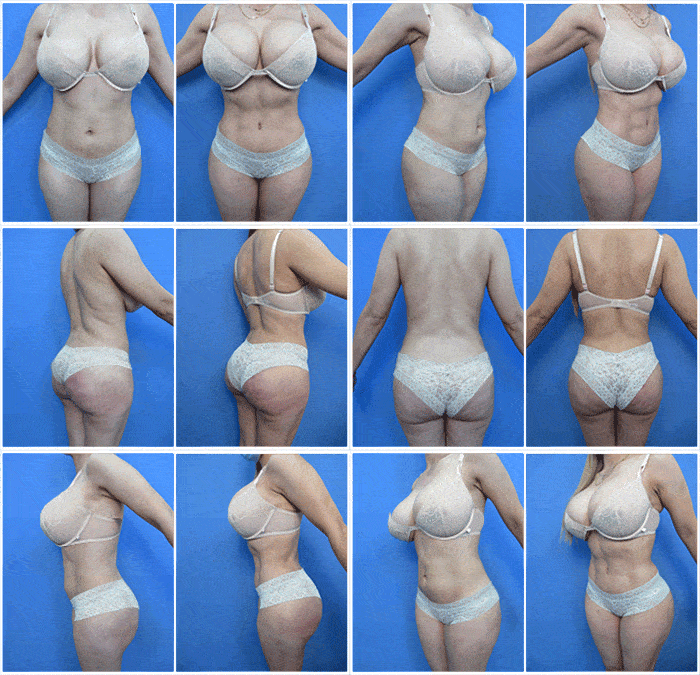
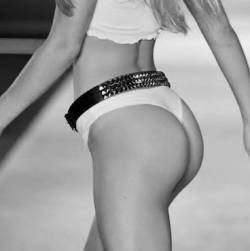
Ideal buttock shape after high-definition liposuction and fat transfer, planned with the Brazilian Buttock Lift Assessment Tool.
02 · What is unique
Whatmakeshigh-definitionliposuctionunique?
High-definition liposuction is fundamentally different from traditional liposuction. It is not simply about removing unwanted fat. It is about sculpting the body with precision to reveal definition, create natural contours, and enhance the underlying muscular anatomy. Truly high-definition results require advanced technology, specialized techniques, and an intimate understanding of body anatomy.
01VASER ultrasoundVASER ultrasound-assisted liposuction precisely emulsifies and removes fat while helping preserve the natural contours of the body.
02Renuvion radiofrequencyRenuvion radiofrequency skin tightening enhances skin contraction and improves the overall definition of the treated area.
03Differential fat removalDifferential fat removal strategically removes varying amounts of fat from different anatomical planes and regions.
04360° sculpting360° sculpting creates a balanced, three-dimensional result rather than treating isolated areas independently.
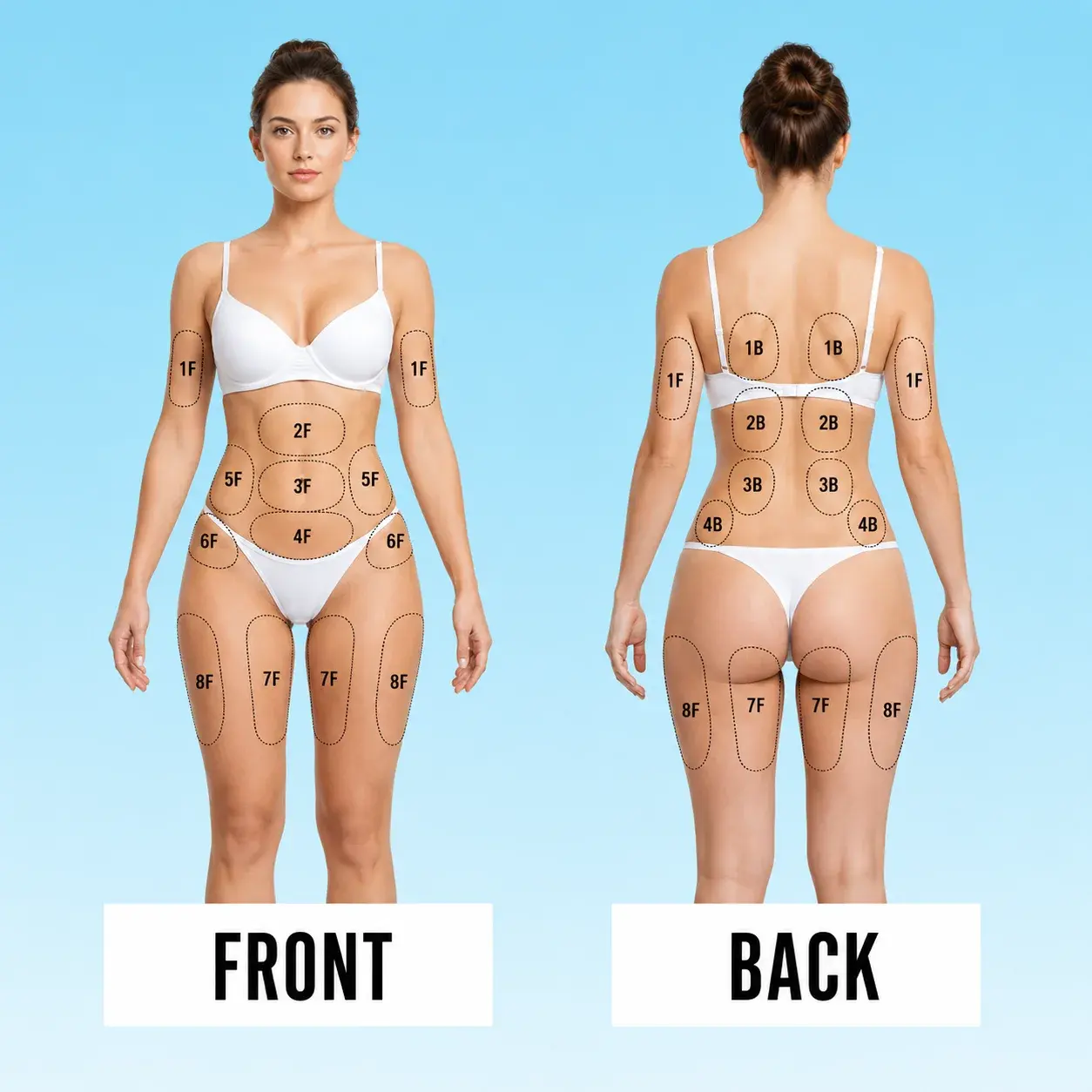
High-definition liposuction can sculpt and refine virtually any area where localized fat obscures the body's natural contours. Among the most commonly treated areas are the abdomen, waist, flanks, back, arms, thighs, and buttocks.
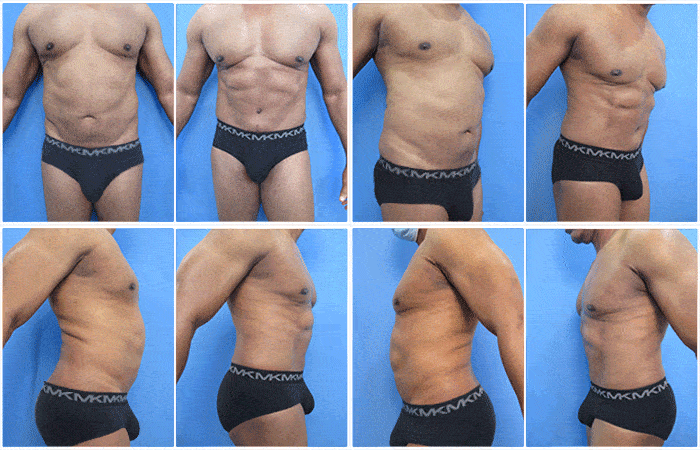
Abdominal etching represents a fundamental shift in body contouring. Rather than simply reducing abdominal fat, HD Lipo strategically can sculpt the fat layers around the underlying musculature to reveal the natural lines, separations, and definition that create an athletic, sculpted abdomen.
This requires an entirely different approach. Fat is selectively removed to accentuate muscular contours while carefully preserving strategic layers to create depth, dimension, and natural-looking transitions. The goal isn't simply a flatter stomach—it's a physique in which the abdominal anatomy becomes part of the aesthetic result.
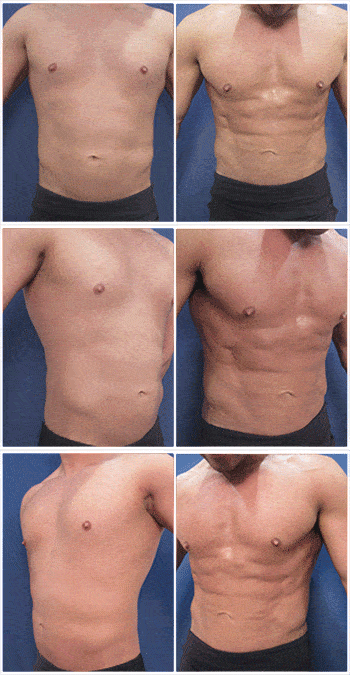
Whether you want faint vertical shadows for a more feminine look or you desire the addition of more masculinized horizontal shadows that unveil a true six pack, High definition Liposuction will deliver! Abdominal etching can transform the appearance of the midsection in ways that conventional debulking alone is not designed to achieve.
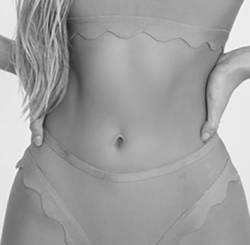
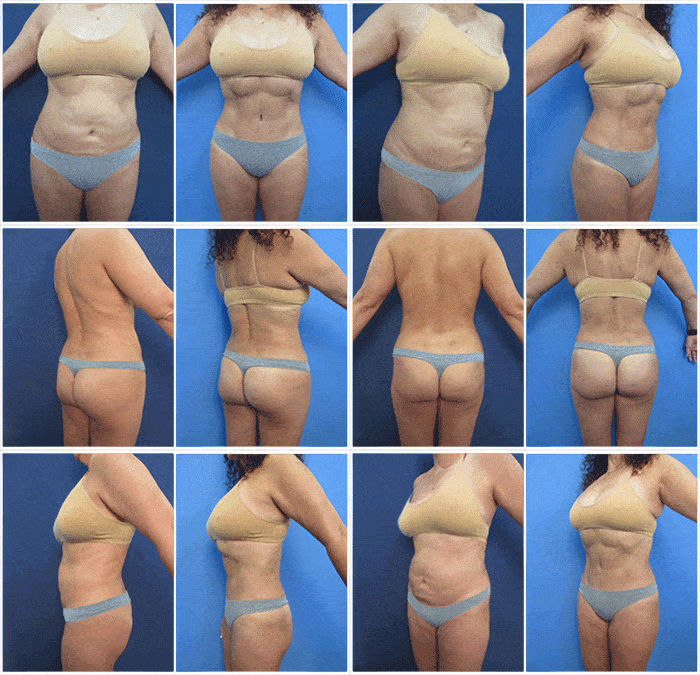
Female abdominal etching using high-definition liposuction protocols.
Back contouring with high-definition protocols, VASER liposuction, and Renuvion J-Plasma.
If you are disappointed with the results of previous liposuction, high-definition liposuction may offer an opportunity to refine, reshape, and improve your contours. Revision liposuction is designed to address residual fat, uneven contours, asymmetry, irregularities, and insufficient definition that may remain after a previous procedure.
One advantage of VASER ultrasound-assisted liposuction is its ability to eliminate residual unwanted fat, replace inappropriately removed fat, and treat areas affected by fibrosis or scar tissue from prior surgery.
Unlike conventional liposuction, high-definition liposuction does not simply remove fat. It strategically sculpts the body in multiple anatomical planes. By carefully addressing both deeper and more superficial fat layers, an experienced surgeon can enhance natural anatomical contours and create greater definition. For patients whose previous liposuction left an incomplete or uneven result, high-definition liposuction can turn a correction into more precise, sophisticated body sculpting.
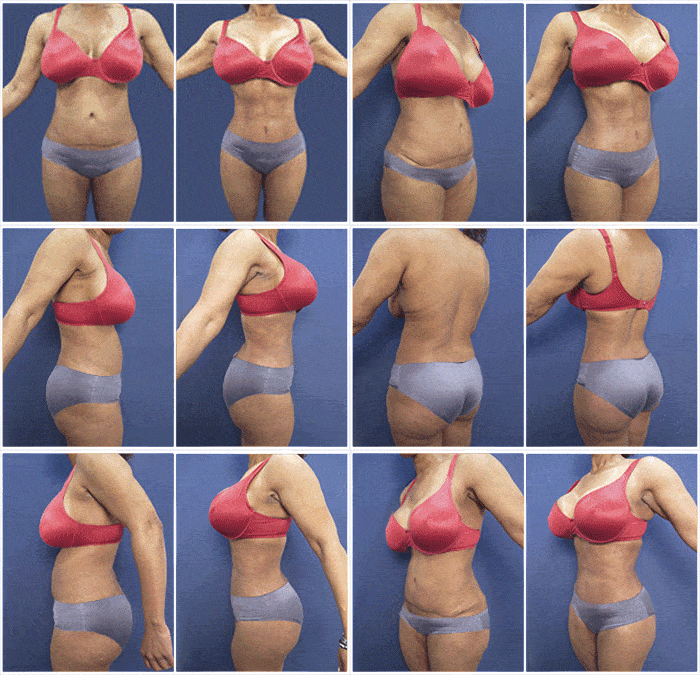
Revision of a body-contouring complication after a previous liposuction.
Revision body contouring with high-definition liposuction, VASER, and Renuvion J-Plasma.
08 · Candidacy
Who is a good candidate for HD liposuction?
High-definition liposuction is designed for people who want more than fat removal. They want precision body sculpting, enhanced definition, and a more refined physique across the areas that concern them most.
Historically, high-definition liposuction was reserved primarily for patients who were already close to their ideal body weight and had relatively favorable skin quality. Advances in high-definition body-contouring protocols, including the principles outlined in The High Definition Liposuction Body Scale, have expanded high-definition liposuction to a much broader range of body types. Today, patients with varying degrees of body fat and different anatomical characteristics may be candidates. The most important factor is not simply weight. It is whether anatomy, skin elasticity, overall health, and aesthetic goals are compatible with the procedure.
A personal consultation with one of our experienced high-definition liposuction surgeons is essential to determine whether you are a good candidate and to develop a customized treatment strategy around your body, your goals, and the level of definition you want to achieve.
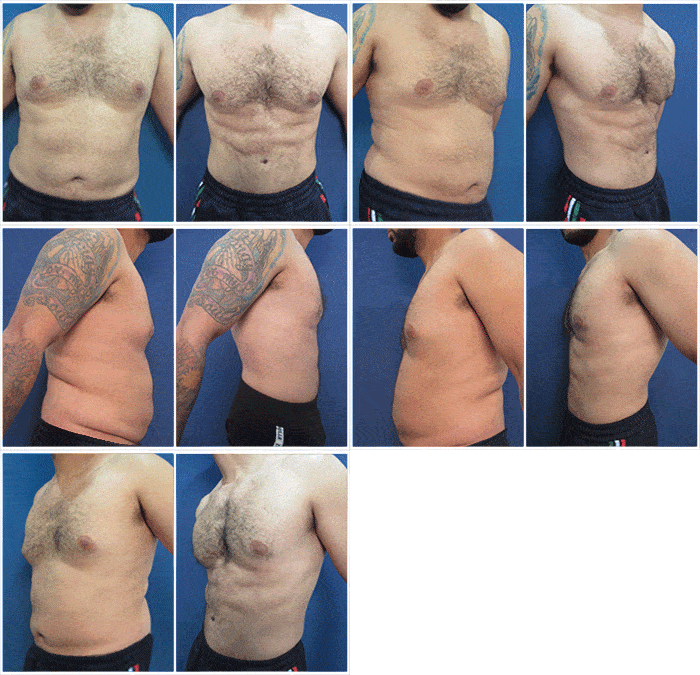
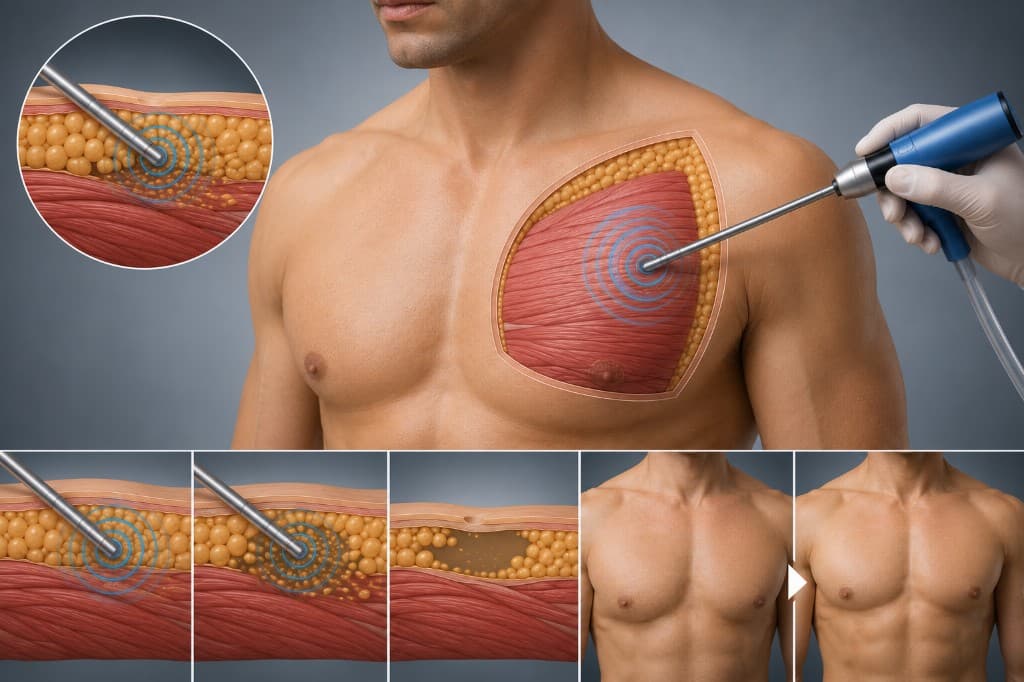
Chest sculpting with VASER liposuction and fat grafting.
VASER liposuction used to etch the abdominal lines.
09 · The operation
Howishigh-definitionliposuctionperformed?
01
Small incisions
High-definition liposuction is performed through small, protected, port holes that allow for specialized tools to reach the targeted area.
02
VASER ultrasound
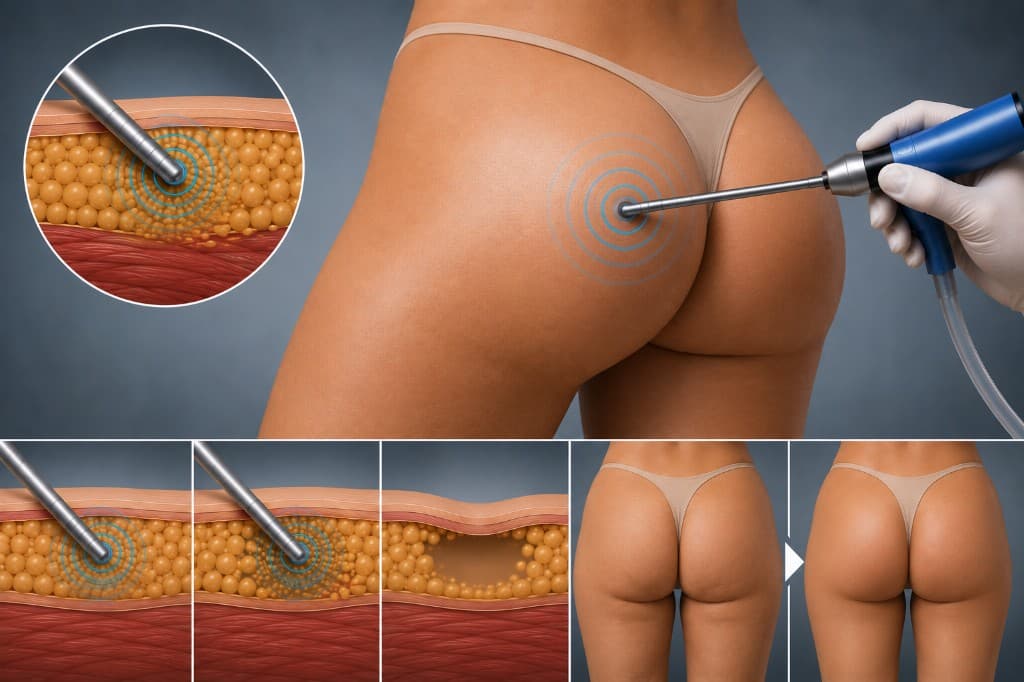
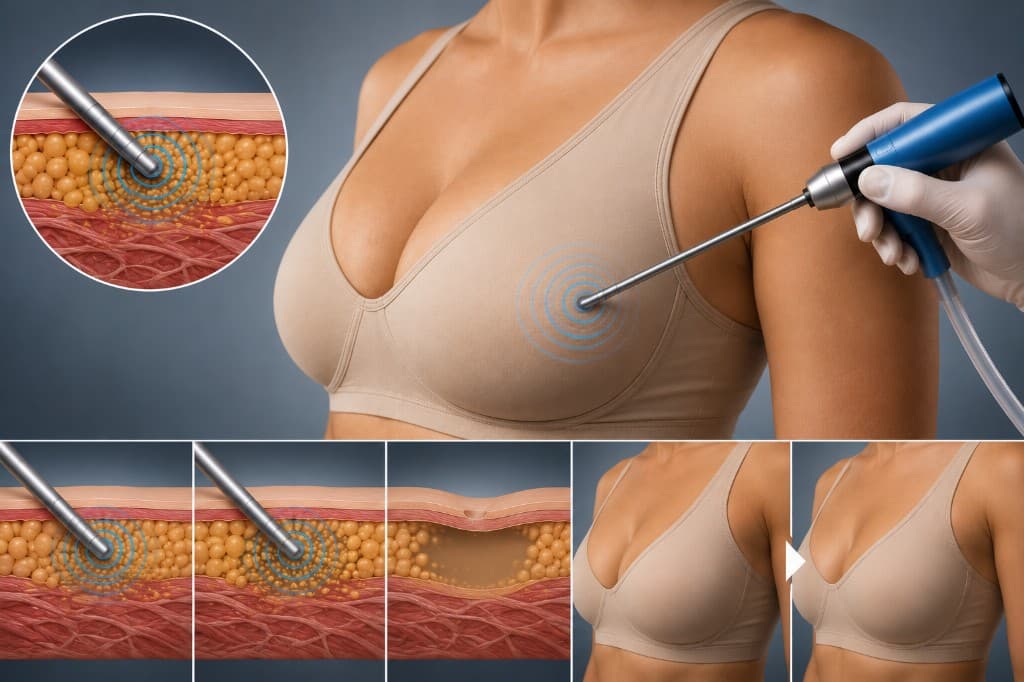
Ultrasound energy is transmitted to the targeted area to emulsify fat and free it from neighboring fat cells, sensory nerves, and blood vessels.
03
Removal
Emulsification of fat facilitates removal and minimizes blood loss intraoperatively and discomfort during recovery.
Exceptional results begin well before surgery and continue throughout recovery. Preparation, surgical planning, and postoperative care all play an important role in the outcome.
Before
Preoperatively, you will receive detailed instructions designed to optimize your safety and maximize your aesthetic outcome through our Perfect Change Program. We will minimize surgical risk factors, prepare your body for healing, and plan your recovery.
During
Intraoperatively, advanced tools as well as proprietary protocols will be employed to ensure your success.
After
Postoperatively, you will experience close monitoring, frequent follow-up visits, serial lymphatic massages, and customized compression garments, so your healing can proceed smoothly.
A high-definition tummy tuck, with skin excision and VASER liposuction, unveils the abdominal muscles.
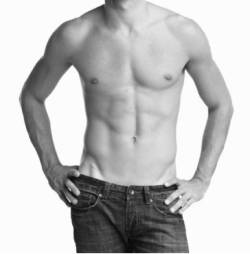
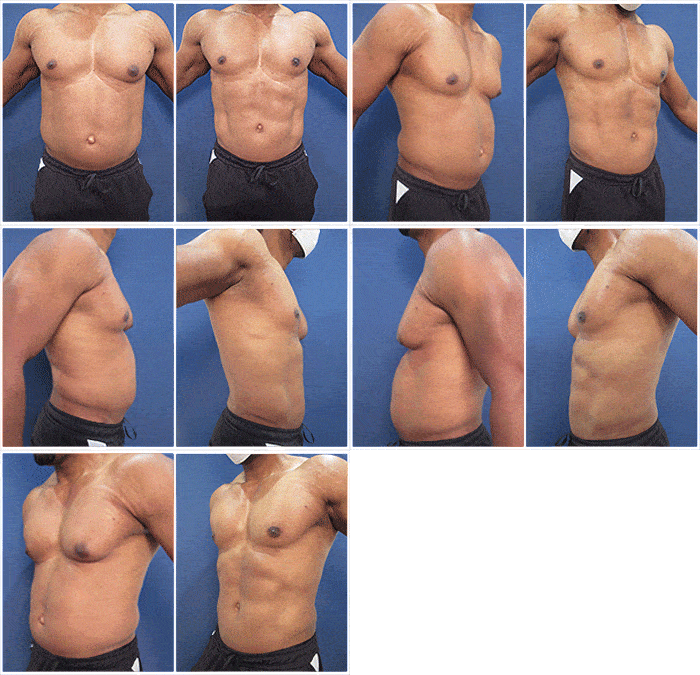
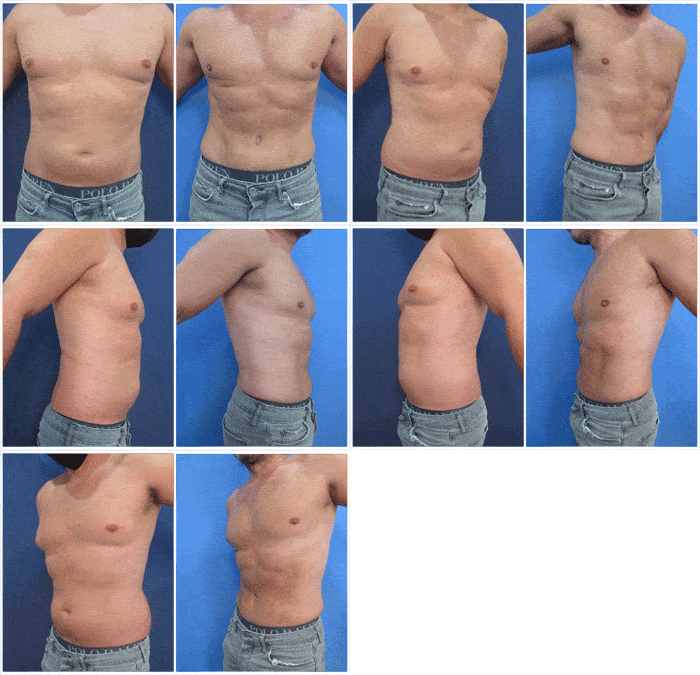
Male abdominal etching with high-definition liposuction and a mini tummy tuck.
Long-term results are also influenced by a healthy lifestyle and a stable body weight. High-definition liposuction can permanently remove targeted fat cells, but significant weight fluctuations can alter the contours over time. The best results are a partnership between surgeon and patient. Precise surgical technique is combined with thoughtful preparation, disciplined recovery, and healthy lifestyle choices that help you achieve and maintain your aesthetic goals.
11 · The instruments
Advancedtoolsandproprietaryprotocolsofhi-deflipo
01
Ultrasound
VASER liposuction
VASER liposuction uses controlled ultrasound energy to assist in the selective separation and removal of unwanted fat. The technology can help emulsify fat while preserving surrounding tissues, which allows the surgeon to work with greater precision in areas that require detailed sculpting. This is particularly valuable in high-definition liposuction, where fat removal is performed to enhance the underlying anatomical contours rather than simply to reduce volume. VASER technology can address both larger fat deposits and smaller areas that require meticulous refinement. When it is performed by an experienced surgeon, ultrasound-assisted liposuction can help create smoother transitions and more defined body contours. The result is a more sculpted and anatomically refined appearance.
02
Soft-tissue tightening
Helium plasma radiofrequency
Helium plasma-based radiofrequency soft-tissue tightening uses controlled energy to contract and remodel collagen within the treated tissues. The technology is designed to address both the dermal layer of the skin and the connective tissue that supports the soft tissue. By promoting collagen contraction and later remodeling, it can improve skin firmness and enhance the quality of the final contour. This is particularly valuable for patients who have a minimal to moderate degree of skin laxity, because it can avoid an extensive skin excision. When it is combined with high-definition liposuction, soft-tissue tightening can help create a tighter, smoother transition between sculpted anatomical features. Patient selection and appropriate energy delivery are essential to a safe and predictable result.
03
Ultrasound guidance
Closed-loop fat transfer
Closed-loop fat transfer provides a controlled pathway for harvesting, processing, and reinjecting a patient's own fat while minimizing unnecessary exposure to the environment. Specialized closed containers can reduce the potential for contamination and streamline the transfer of processed fat during the procedure. When fat grafting is performed with ultrasound guidance, the surgeon can see the tissue planes and control the location and depth of fat placement. This is particularly valuable for precise contour enhancement with structural fat grafting. Ultrasound guidance also helps the surgeon identify and avoid deeper anatomical structures and vascular planes, which minimizes the risk of fat emboli. Together, these techniques are intended to provide greater control, precision, and consistency during grafting.
04
When skin remains
Modified skin excision
In selected patients, high-definition liposuction may be complemented by a modified skin excision when excess skin cannot be adequately addressed through liposuction and soft-tissue tightening alone. One example is a modified abdominal skin resection that allows the surgeon to remove a generous amount of excess abdominal skin without compromising blood flow, even when liposuction is performed at the same time. The approach can be customized to the patient's existing anatomy so the desired contour is created during high-definition liposuction. For appropriately selected patients who have moderate to extensive skin redundancy, this combination can provide a more refined abdominal contour while avoiding the vascular disruption associated with a full tummy tuck.
12 · Liposuction today
Thefieldiscrowded.Thestandardisnot.
The evolution of liposuction has expanded over the last few decades because of advances in technology and surgical technique. VASER ultrasound-assisted liposuction remains the gold standard, but various branded and advertised techniques can make the choice difficult for someone considering body contouring. This is the most up-to-date list of alternative liposuction techniques currently being advertised. Used in isolation, they cannot achieve high-definition body-sculpting results.
Tumescent liposuction
Tumescent liposuction uses a specialized solution called tumescent fluid, which Dr. Jeffrey Klein introduced. This solution changed the safety of liposuction throughout the world. The traditional solution is 1 liter of lactated Ringer's infused with 50 ml of 1% lidocaine with epinephrine and 20 ml of 8.4% bicarbonate. Lidocaine provides anesthetic pain control. Its effect begins within about one minute and lasts approximately three hours. Epinephrine constricts the micro-vessels, which minimizes blood loss and is essential for patient safety.
Bicarbonate makes the solution slightly basic and more physiological. It helps lidocaine enter the nerve cells, and it makes the solution more compatible with cells, which matters when harvested fat will be transferred to the buttocks in a Brazilian butt lift. Volumes are limited to 2 liters without an intravenous line and to 5 liters in an outpatient surgical facility. Mid-definition and high-definition body contouring both depend on this fluid.
Traditional liposuction (wet technique)
The wet technique infiltrates the fatty layers with tumescent solution and then removes a similar volume, at a ratio of about 1 to 1. Equal volumes injected and removed keep fluid shifts small, so the body's fluid balance stays straightforward. Lidocaine provides comfort after surgery, and epinephrine constricts the micro-vessels and limits blood loss.
General anesthesia is required, because less fluid is infiltrated than in the super-wet technique. The wet technique, which is traditional liposuction, is also limited to the deep fat.
Laser liposuction
Laser liposuction uses a laser beam to heat and melt fat cells into a liquid. Light probes deliver the wavelength, and hollow cannulas then remove the fat. Melting the fat is said to limit injury to blood vessels and nerves, so thinner cannulas can be used.
The energy kills the fat cells, so the fat cannot be transferred. That rules out a Brazilian butt lift and natural breast augmentation. Removal can be more thorough than traditional liposuction, and it remains less thorough than ultrasound-assisted liposuction.
ProLipo PLUS
ProLipo PLUS, by Sciton, uses a laser to melt fat before it is removed. The light is also intended to tighten and firm the surrounding tissue. It is used for concentrated pockets that are hard to change with diet and exercise, including the chin, bra roll, back roll, arms, abdomen, flanks, thighs, and knees.
It is described as causing little bruising, bleeding, and swelling, and it can be performed under local anesthetic in the office. Results are described as visible immediately and continuing to improve over the following weeks.
LipoLite
LipoLite uses a laser to melt fat so it can be removed gently, and it is described as tightening the surrounding skin through new collagen. It treats stubborn pockets such as the flanks, abdomen, neck, face, thighs, and hips.
The treatment is minimally invasive, with little scarring. For many patients, results are visible right after the procedure and continue to improve over the following weeks. Patients can typically return to work one or two days later.
Power-assisted liposuction (PAL)
Power-assisted liposuction uses specialized cannulas that speed fat removal with a reciprocating, oscillating motion.
CoolSculpting
CoolSculpting cools the skin with a pad so the fat cells underneath freeze and die. The body then reabsorbs those cells. No anesthesia and no surgical recovery are required, and patients may return to work immediately.
The treatment cannot cover every area at once. Fat loss is limited to where the pad sits, which can leave a step between treated and untreated skin. It removes superficial fat rather than the deeper layer that usually changes with weight. If weight is later gained, the treated areas can enlarge. That change is described as paradoxical adipose hyperplasia.
Traditional liposuction (super wet technique)
The super-wet technique infiltrates much more tumescent fluid than it removes, described as about 100 cc injected for every 1 cc aspirated. That volume of fluid is what allows liposuction while the patient is awake.
Because so much more fluid is injected than removed, large-volume liposuction has to be avoided so the fluid shift does not affect the patient. Liposuction under local anesthesia also does not allow the comprehensive removal achieved in high-definition liposuction. Much of what is suctioned is the fluid that was infiltrated, rather than fat.
SmartLipo
SmartLipo is the brand name for a form of laser liposuction. Focused light liquefies the fat cells so they are easier to remove. The same energy kills the cells, so they cannot be used for fat transfer, including grafting to the buttocks.
CoolLipo
CoolLipo is a laser liposuction method that uses a 1320 nm wavelength to break up and liquefy fat. A cooling element reduces discomfort so the procedure can be tolerated under local anesthetic alone. That cooling does not improve how effectively fat is removed.
Water jet-assisted liposuction
Water jet-assisted liposuction, commonly called Body-Jet, uses a stream of water to separate fat. Saline is injected first to loosen the tissue. Because the fat is dislodged with water rather than melted by a laser, more of it can remain viable for transfer, and more fat can be removed.
SafeLipo
SafeLipo stands for separation, aspiration, and fat equalization. Separation uses power-assisted liposuction to separate fat globules with an oscillating cannula, without producing heat. Aspiration then uses thinner cannulas. Fat equalization is meant to leave a thin layer of superficial fat so the skin is protected from irregularities.
Power-assisted liposuction does not remove the superficial layer, so avoiding heat does not make the removal more complete. Thinner cannulas are not necessarily safer. Larger cannulas are less likely to penetrate blood vessels, nerves, and other tissue. High-definition liposuction selectively removes superficial fat to reveal muscle highlights, which is the opposite of leaving that layer in place.
13 · The standard
GoldStandardLiposuctionTechnique
01
Ultrasound-assisted liposuction (UAL)
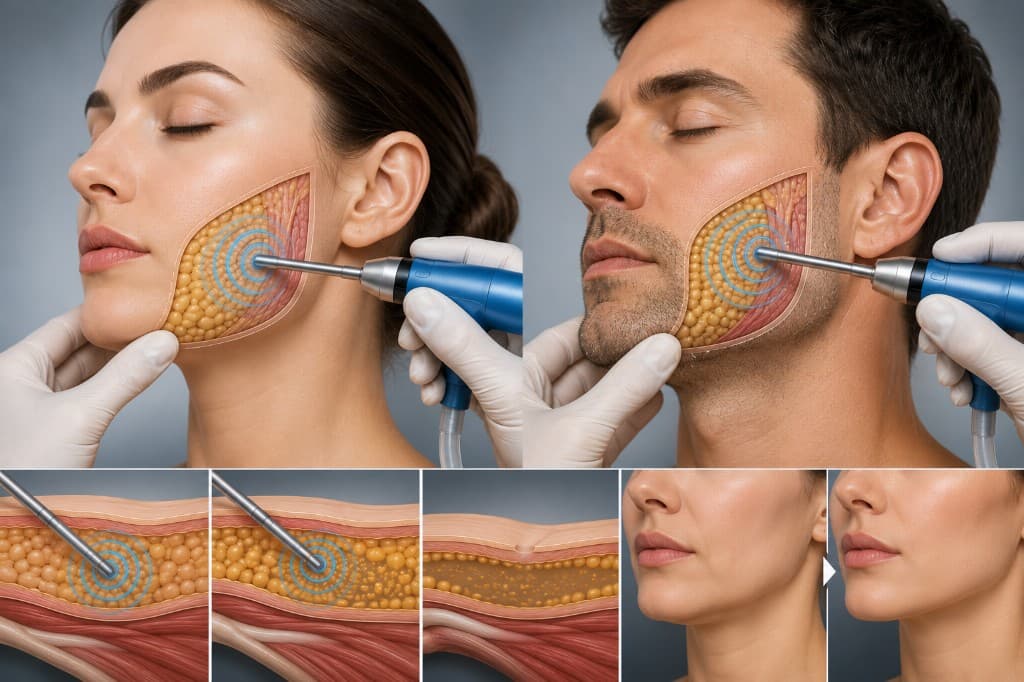
Ultrasound-assisted liposuction uses ultrasound energy to convert semisolid clusters of fat cells into a liquid, single-cell state. That conversion is called cavitation.
Cavitation creates an air bubble that separates the fat cells. This is considered the gold standard in fat removal. Several companies make ultrasound liposuction machines, and VASER, produced by Solta Medical, is the most widely used. The technique allows selective removal of both superficial fat and deep fat, which reveals muscle highlights: a six-pack in men and a four-pack in women.
02
VASER
VASER liposuction uses ultrasound to break fat-cell clusters into single cells by cavitation. The energy is delivered through slender probes in the superficial and deep fat, creating small air bubbles in the tumescent solution. Those bubbles separate the fat from a semisolid cluster into a liquid, single-cell state.
Liquefying the fat has several advantages. The fat can be siphoned away rather than torn out with a traditional cannula. Sixty percent more fat can be removed than with traditional liposuction. Superficial fat can be removed as well as the deep fat, which is the limit of traditional liposuction. Fat removed as single cells is more viable for grafting, including a Brazilian butt lift. VASER is essential for patients who want a high-definition result.
Ultrasound liposuction takes traditional liposuction further. VASER is the most advanced body-contouring technique available today. With traditional suction, fat can still be coming out after hours of work. High-definition liposculpture, high-def lipo, and hi-def lipo all name this ultrasound technique.
03
Modified tumescent technique
The modified tumescent technique adapts the solution used by liposuction surgeons worldwide so that it suits high-definition cases performed under general anesthesia.
Less lidocaine is used, which lowers the concern of lidocaine toxicity. Additional epinephrine constricts the small vessels and limits blood loss. A steroid is added to quiet the inflammatory response that can follow liposuction, when white blood cells release products that can darken the skin and leave scar tissue. Tranexamic acid is added for further protection against blood loss.
Limiting blood loss matters most during 360-degree liposuction, where a larger volume of tumescent solution is used to reach the contour.
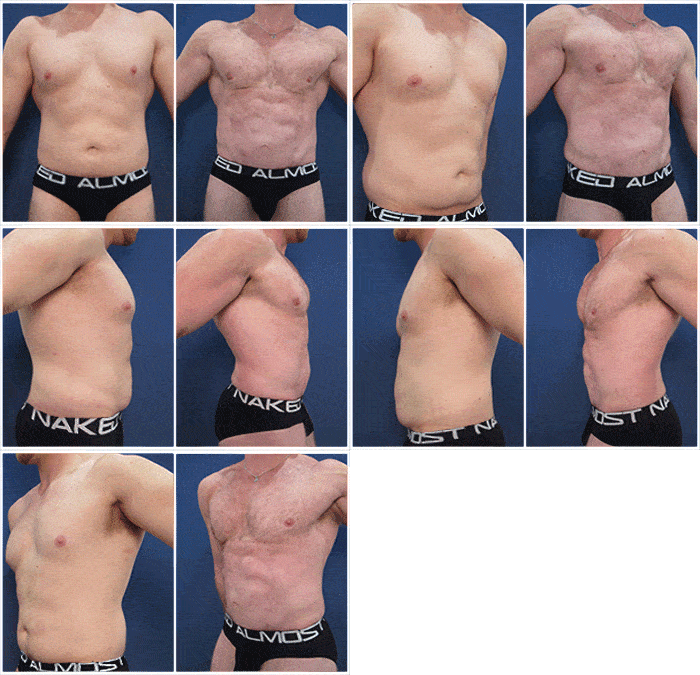
Male abdominal etching with VASER liposuction and Renuvion J-Plasma.
Abdominal etching performed together with VASER liposuction and a high-definition tummy tuck.
14 · Fat transfer
Hi-defliposuctionwithfattransfer
High-definition liposuction is not simply about removing unwanted fat. In many patients, an optimal three-dimensional contour also requires volume to be replaced where fullness or proportion is missing. In others, fat must be redistributed to correct contour deformities such as concavities and divots after a botched liposuction.
Fat harvested with ultrasound-assisted liposuction can be processed and transferred promptly through a closed-loop system. The harvested fat cells are single cells rather than clusters, so they travel smoothly and safely through the tubing used for transfer. Graft retention is maximized, which allows the surgeon to replace the intended volume accurately. Transplanting single fat cells, rather than clumps, also improves revascularization and graft survival. Fat transfer can enhance projection, restore volume, improve symmetry, and correct contour irregularities. Depending on the patient's anatomy and goals, treatment may include the buttocks, the breasts, the face, the hands, or areas affected by previous liposuction.
Shape the buttocks with transferred fat for balanced, natural curves.
01
Brazilianbuttlift
A Brazilian butt lift uses a patient's own fat to enhance the shape, projection, and proportions of the buttocks. Fat is harvested from areas where excess volume is present and transferred to the buttocks and the surrounding areas to create a more balanced silhouette.
The procedure can enhance buttock fullness while refining the waist, abdomen, flanks, and back through liposuction. This combination can create greater contrast between the waist and the hips and improve the proportions of the lower body. The goal is not simply to add volume. It is to sculpt the surrounding anatomy so that it complements the buttock. Patient anatomy, available donor fat, skin quality, and aesthetic goals all influence the approach.
Our surgeons use an individualized assessment and three-dimensional planning, including the Brazilian Butt Lift Calculator, to determine the appropriate amount and distribution of fat for each patient. The result is intended to be proportional to that patient's anatomy and desires, rather than to a surgeon's preferred buttock size and shape. Fat is reinjected under ultrasound guidance so the exact location of the graft can be seen. Because fat transfer carries a risk of fat emboli, this step has become a distinguishing part of care at these centers.
02
Naturalbreastaugmentation
Fat transfer offers an alternative for patients who want a natural-looking increase in breast volume and an improved contour without relying solely on an implant. Using your own fat, a surgeon can add volume to the areas of the breast that need greater fullness or better proportion.
One advantage of fat transfer is that it refines contour in three dimensions, rather than increasing breast size uniformly like a sphere. Fat can be placed to improve upper-pole fullness, address asymmetry, soften transitions, or enhance a specific part of the breast. It can also play an important role in breast revision. Patients with contour irregularities, volume deficiencies, rippling, or deformities after a previous augmentation or breast lift may benefit from carefully placed fat grafts.
The amount of enhancement depends on the available donor fat, breast anatomy, skin characteristics, and individual goals. In some cases, staged treatment is appropriate. The objective is a breast that is proportional, naturally contoured, and harmonious with the rest of the body.
03
Facialandhandfattransfer
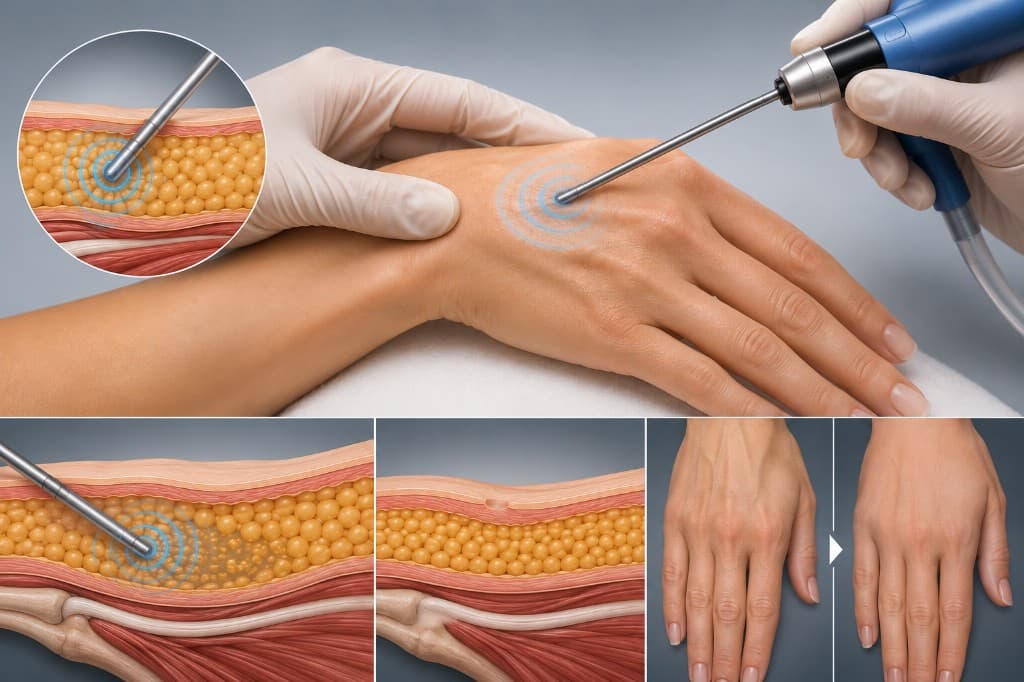
Loss of soft-tissue volume is one of the defining characteristics of aging. The face and the hands can gradually lose fat and structural fullness, which contributes to hollowness, wrinkles, and a less youthful appearance.
Autologous fat transfer allows surgeons to restore selected areas of lost volume with the patient's own tissue. Using small cannulas and meticulous injection technique, the surgeon places fat in precise anatomical planes to restore fullness and improve contour. In the face, treatment may address the cheeks, temples, tear troughs, and other areas affected by age-related volume loss. In the hands, fat transfer can restore soft-tissue fullness and reduce the prominence of tendons and veins.
This high-definition approach emphasizes precision, proportion, and conservative restoration rather than simply adding volume. The goal is to restore the three-dimensional architecture of a more youthful appearance while maintaining natural facial expression and character.
04
Revisionliposuctionwithfattransfer
Fat transfer is particularly valuable when correcting contour irregularities after previous liposuction. Over-resection, uneven fat removal, scar tissue, or changes in skin adherence can leave divots, depressions, asymmetry, or unnatural transitions.
In revision cases, small amounts of the patient's own fat can be placed where volume has been lost. When this is combined with carefully planned VASER liposuction, the surgeon can remove unwanted residual fat and redistribute volume to improve the overall contour. Revision requires a highly individualized approach, because previous surgery can alter the normal tissue planes and create fibrosis or scar tissue. The surgeon evaluates the underlying anatomy, skin quality, remaining fat, and the extent of the previous disruption before deciding on a strategy.
The objective is not simply to fill the divot. It is to restore smooth transitions, symmetry, and three-dimensional continuity throughout the treated area. For patients who are dissatisfied with previous liposuction, a customized combination of precise fat removal and fat transfer may substantially improve the contour and create a more natural, refined result.
Liposuction Cost Calculator
Get your Customized Quote in Less than 1 Minute!
Avoid dedicating ½ day of your life or missing work and family time to completing an initial consultation just to get a quote. Best of all, avoid any pressure to schedule surgery!
Are you curious about what High Definition Liposuction can achieve for you?
Share your concern and, if you want, photographs. Our surgeons answer within 24 hours. Keep the question private, or post it on the Lipo FAQ so other prospective clients can read it and comment.
What you receive
You will receive an honest reply with a tentative recommendation to your shared concern. This is a NO PRESSURE TO SCHEDULE platform where you will get a non-biased answer to your questions both of which will be private, unless YOU choose to share with the community.