
08 / Postoperative regimen
Follow a Comprehensive Postoperative Regimen to Minimize the Risk of Hyperinflammatory Fibrosis
Your surgery is only one part of your high-definition body contouring journey. Even when a procedure proceeds as planned, your recovery requires careful attention, consistent follow-through, and adherence to your individualized postoperative regimen.
High-definition liposuction may involve ultrasound-assisted liposuction and helium plasma-based radiofrequency skin tightening across extensive body regions, sometimes in a circumferential, 360-degree approach. Although these technologies can help surgeons achieve more refined contouring and address different components of the soft tissue, they also create a tissue-healing response that must be managed carefully.
One potential concern is excessive or prolonged inflammation, which can contribute to unwanted scar tissue formation and compromise the smoothness and definition of your final contour. For this reason, postoperative care is not an afterthought—it is an integral part of your surgical plan.
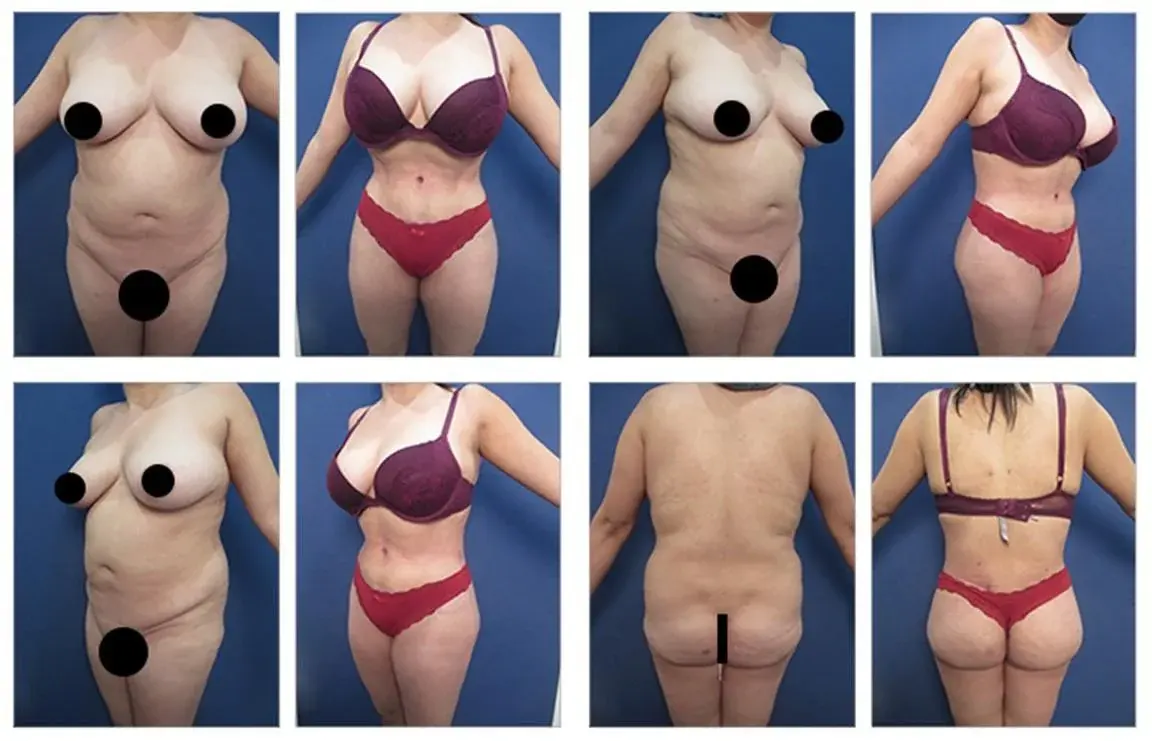
Understanding Hyperinflammatory Fibrosis
Following surgery, your body initiates an inflammatory response that supports tissue repair. As healing progresses, inflammatory signals activate fibroblasts, the cells responsible for producing collagen and other components of connective tissue.
In some patients, this response may become prolonged or excessive, contributing to increased scar tissue formation, tissue firmness, irregular contours, or restricted soft-tissue mobility. This type of complication may be described as hyperinflammatory fibrosis.
The development of fibrosis is multifactorial. Tissue trauma, individual healing characteristics, inflammation, and the accumulation of fluid in spaces created during surgery may all influence the healing process. Not every patient develops excessive fibrosis, and its occurrence cannot always be predicted or prevented.
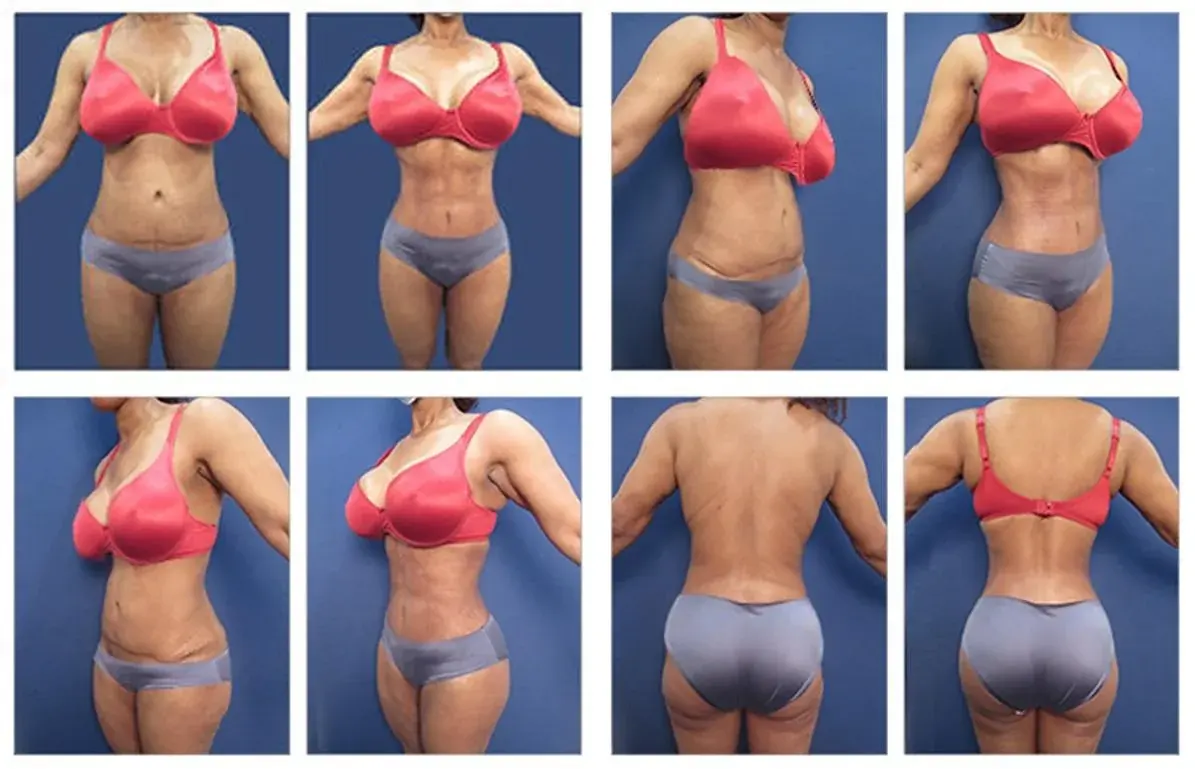
The objective of a comprehensive postoperative regimen is to support normal healing, manage swelling, and reduce modifiable factors that may contribute to unfavorable scar formation.
Surgical Planning to Reduce Fluid Accumulation
Preventing and managing fluid accumulation begins in the operating room. When excess fluid collects in spaces created during surgery, it can contribute to swelling and may interfere with the healing process.
For this reason, your surgeon carefully evaluates skin redundancy, tissue quality, and the extent of the treatment area when planning your procedure. When appropriate, addressing excess skin through a suitable excisional technique may help reduce residual tissue laxity and improve the overall contour.
Other measures may include judicious use of energy-based devices, careful surgical technique, and placement of drains when clinically indicated. These decisions are individualized according to the procedures performed, the extent of tissue treatment, and your specific postoperative needs.
The aim is to minimize avoidable tissue trauma and manage fluid accumulation while allowing the treated areas to heal appropriately.
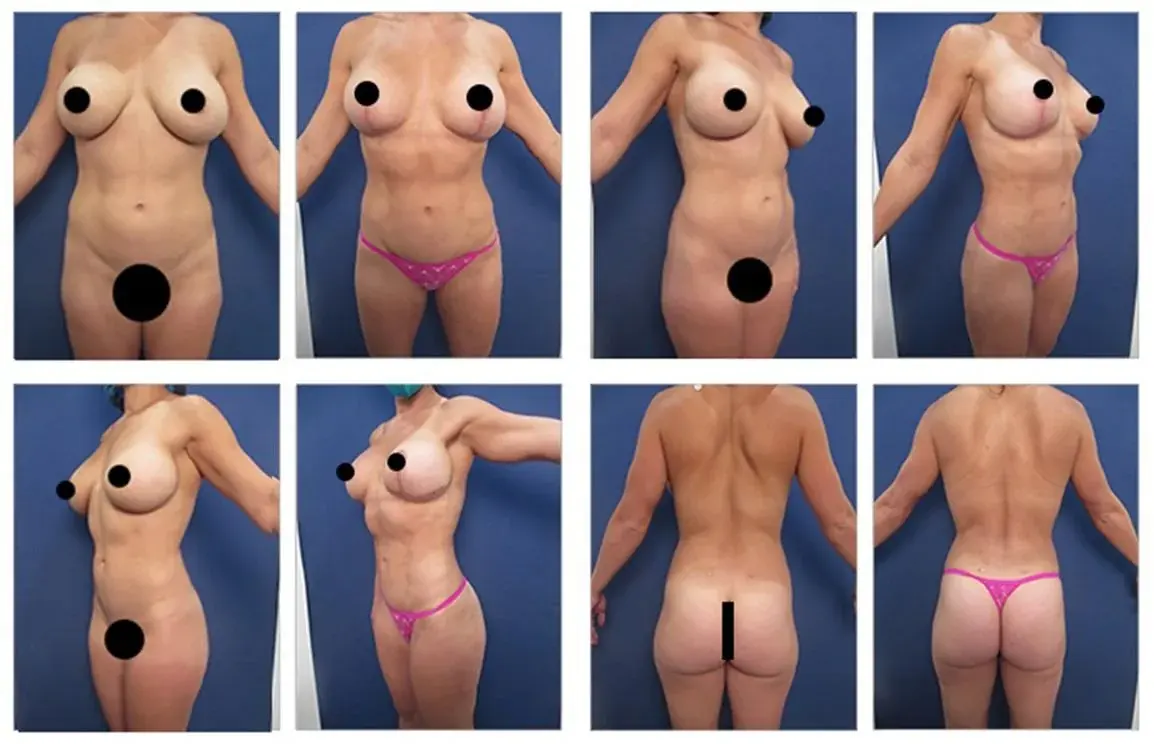
Customized Compression Garments and Foam Inserts
Compression is an important component of recovery following many body-contouring procedures. Properly fitted garments can help manage postoperative swelling and support the treated tissues as they heal.
Your surgeon may prescribe a customized compression garment with strategically positioned foam inserts tailored to your treatment areas. These garments should fit appropriately and provide the intended support without creating excessive pressure, restricting circulation, or damaging the skin.
You will receive instructions regarding when to begin wearing your garment, how long to wear it each day, and how long compression should continue. Although our postoperative protocol may include an initial period of consistent compression during the first two weeks, the exact duration will depend on your procedure, tissue response, and surgeon's instructions.
Correct fit and consistent compliance are more important than simply wearing compression for a predetermined number of days. Contact your surgical team if your garment causes significant pain, numbness, skin discoloration, or other concerning symptoms.
Lymphatic Massage and Postoperative Fluid Management
When appropriate for your procedure and stage of recovery, gentle manual lymphatic drainage may be recommended to help manage swelling and support the movement of excess fluid through the lymphatic system.
These treatments should be performed by a qualified provider familiar with postoperative body-contouring care and should follow your surgeon's guidance. Timing, frequency, and technique matter: aggressive massage or treatment initiated too early may worsen discomfort or interfere with healing.
Lymphatic massage is not a guarantee against fibrosis, and it should not replace evaluation of persistent, asymmetric, or worsening swelling. If fluid accumulation or a postoperative collection is suspected, your surgical team may need to assess the area and determine whether additional treatment is necessary.
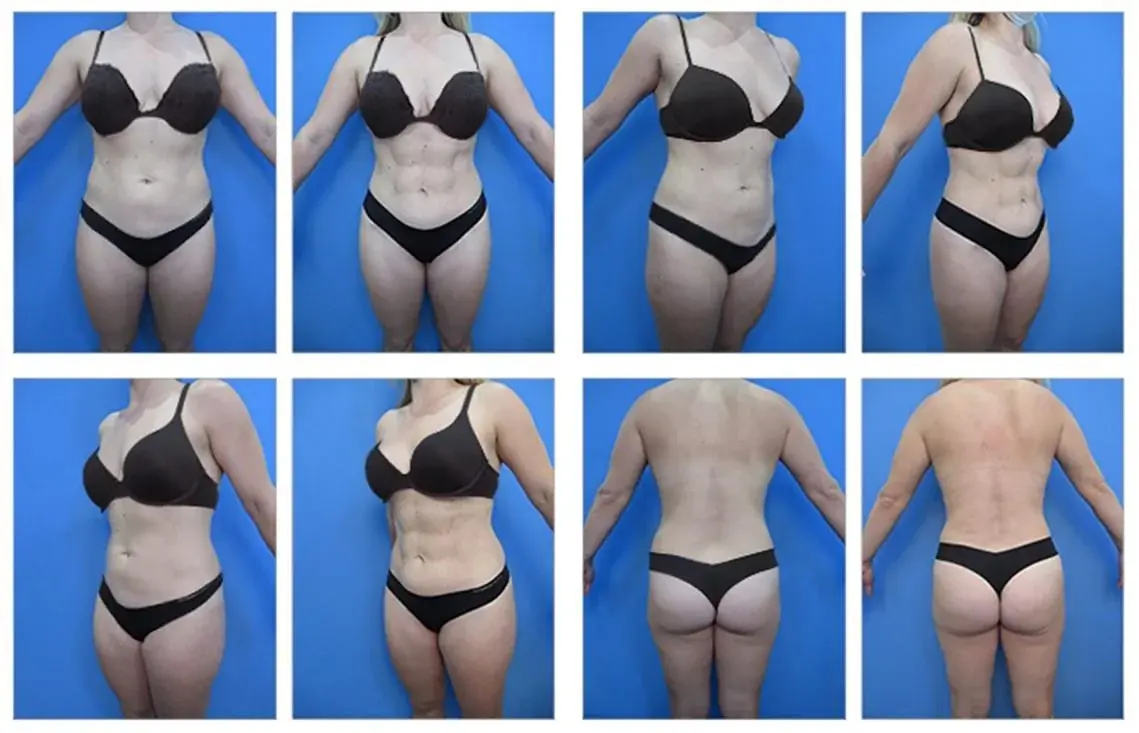
Medication as Part of Your Recovery Plan
Your Perfect Change Program will explain the postoperative measures that may be appropriate for you, including when medication is indicated to help manage swelling or inflammation.
In selected circumstances, your surgeon may prescribe a diuretic to address a specific fluid-management concern or a short course of corticosteroids to treat an appropriate inflammatory indication. These medications are not necessary for every patient, and they should never be used routinely without an individualized medical assessment.
Diuretics can affect blood pressure, kidney function, and electrolyte balance. Corticosteroids can influence blood glucose, immune function, infection risk, and wound healing. Their potential benefits and risks must therefore be weighed carefully in the context of your medical history and recovery.
Medication should complement, not replace appropriate surgical technique, compression when indicated, follow-up appointments, and timely assessment of postoperative concerns.
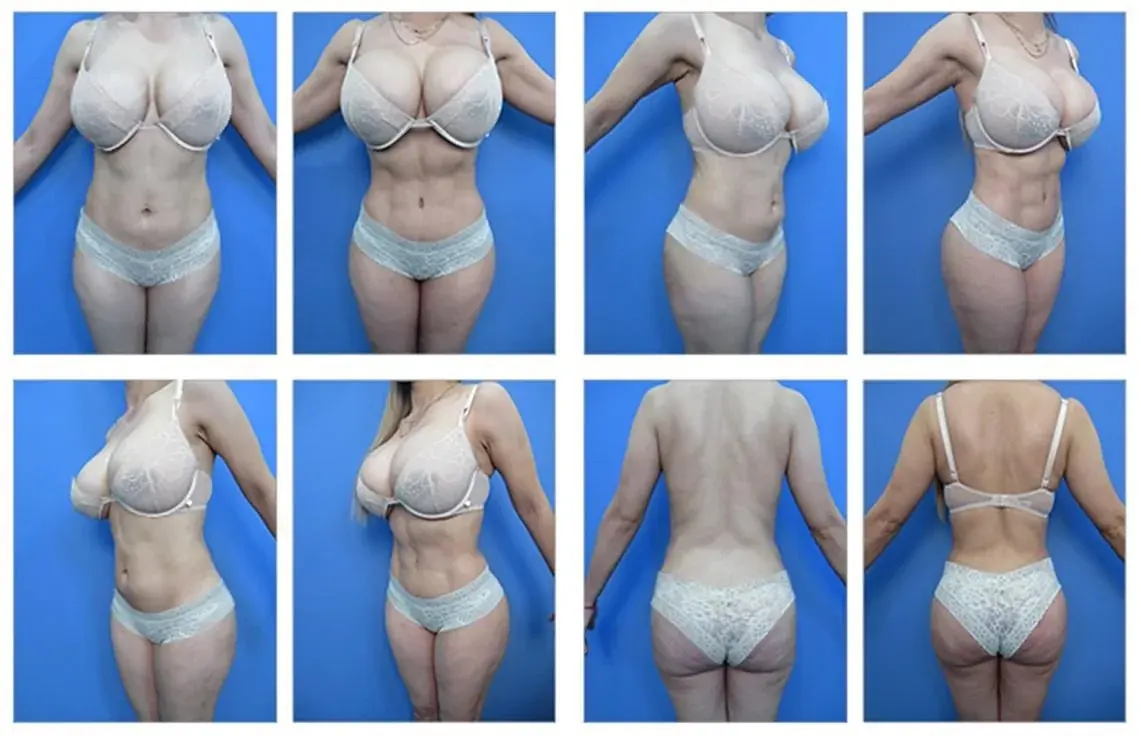
The Perfect Change Program: Your Guide to Recovery
Your Perfect Change Program provides guidance on the postoperative instructions relevant to your treatment plan. This includes garment use, appropriate activity, follow-up care, swelling management, and any additional measures your surgeon recommends to support healing.
Following these instructions consistently allows your surgical team to monitor your progress, identify concerns early, and modify your recovery plan when necessary. Attending scheduled follow-up visits is particularly important because swelling, tissue firmness, and contour changes evolve over time.
If you notice increasing redness, warmth, worsening pain, fever, rapidly expanding swelling, or other unexpected symptoms, contact your surgical team promptly. Severe shortness of breath or chest pain requires emergency medical attention.
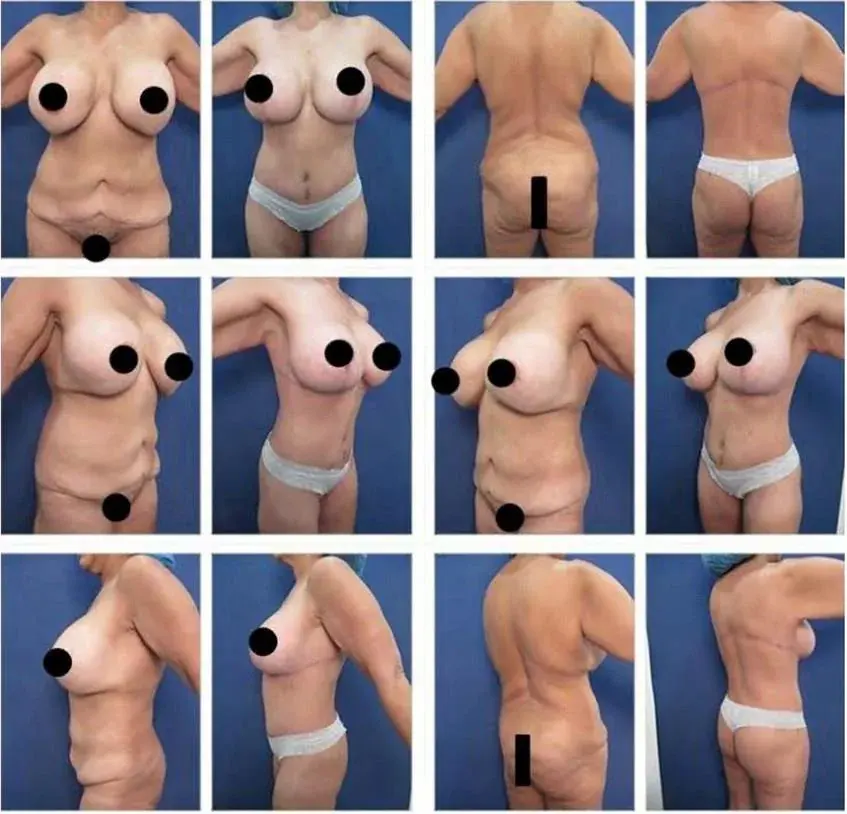
Protecting Your Results Through Careful Recovery
A refined high-definition contour depends on more than the surgical techniques used in the operating room. It also depends on how your tissues respond to surgery and how effectively postoperative concerns are identified and managed.
Our approach emphasizes thoughtful surgical planning, appropriate fluid management, individualized compression, carefully selected postoperative treatments, and close follow-up. These measures are intended to support healing and reduce avoidable complications, although no protocol can eliminate the risk of fibrosis or guarantee a particular aesthetic outcome.
Your commitment to recovery is an essential part of your high-definition body contouring journey. By following your customized postoperative regimen and maintaining close communication with your surgical team, you help create the best possible conditions for your body to heal and for your results to develop over time.
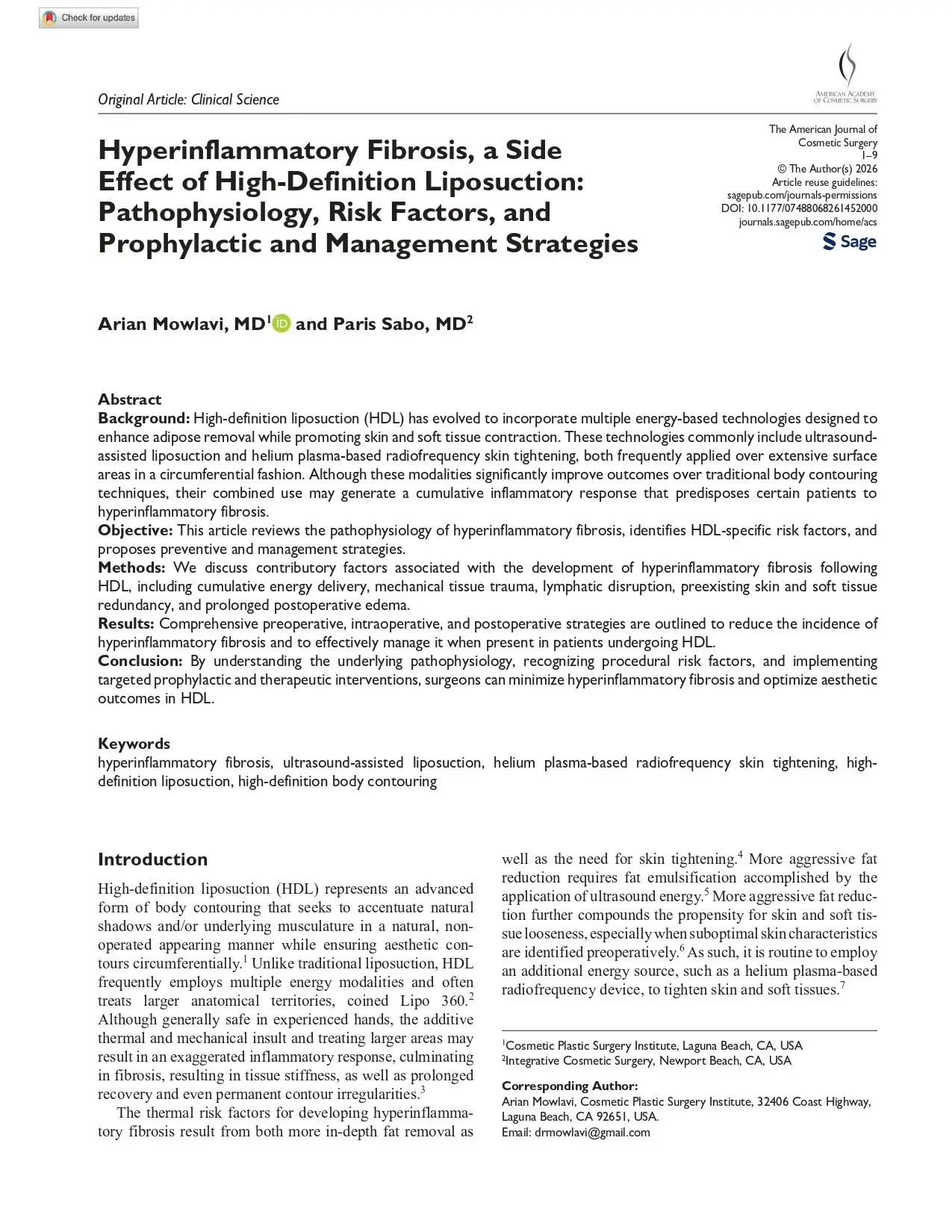 (opens in a new tab)
Hyperinflammatory Fibrosis, a Side Effect of High-Definition Liposuction: Pathophysiology, Risk Factors, and Prophylactic and Management Strategies was published in The American Journal of Cosmetic Surgery.